From Super 8 Shorts to a Feature
Before Nekromantik, Buttgereit had spent years making short films on Super 8 and screening them within Berlin's underground circuit. He later described those productions as his practical film education. He had no conventional training pipeline and learned by exposing film, making mistakes and showing the results to progressively larger groups of friends and local audiences. Hot Love, completed in 1985, had already expanded to roughly half an hour and demonstrated that his small group could sustain something considerably longer than his earliest experiments.
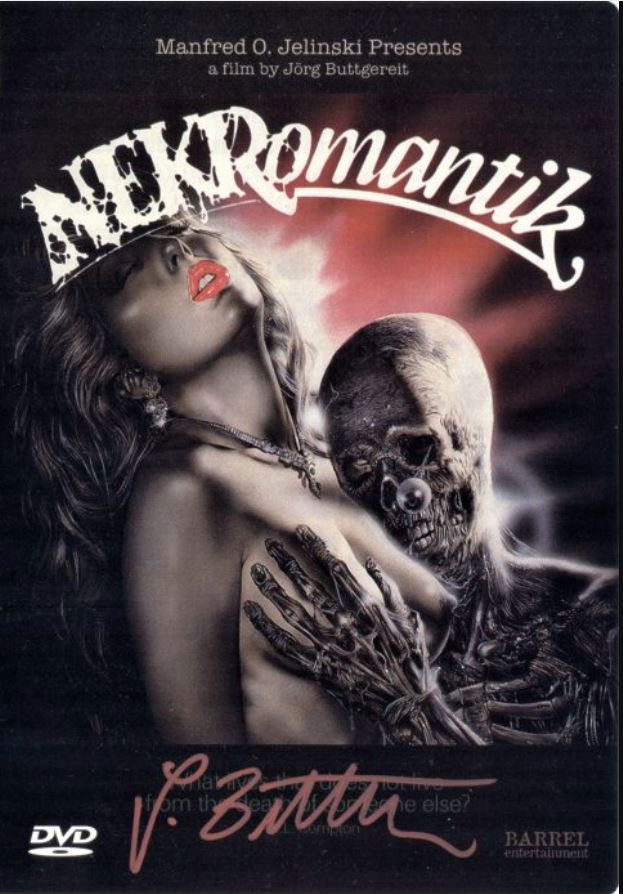
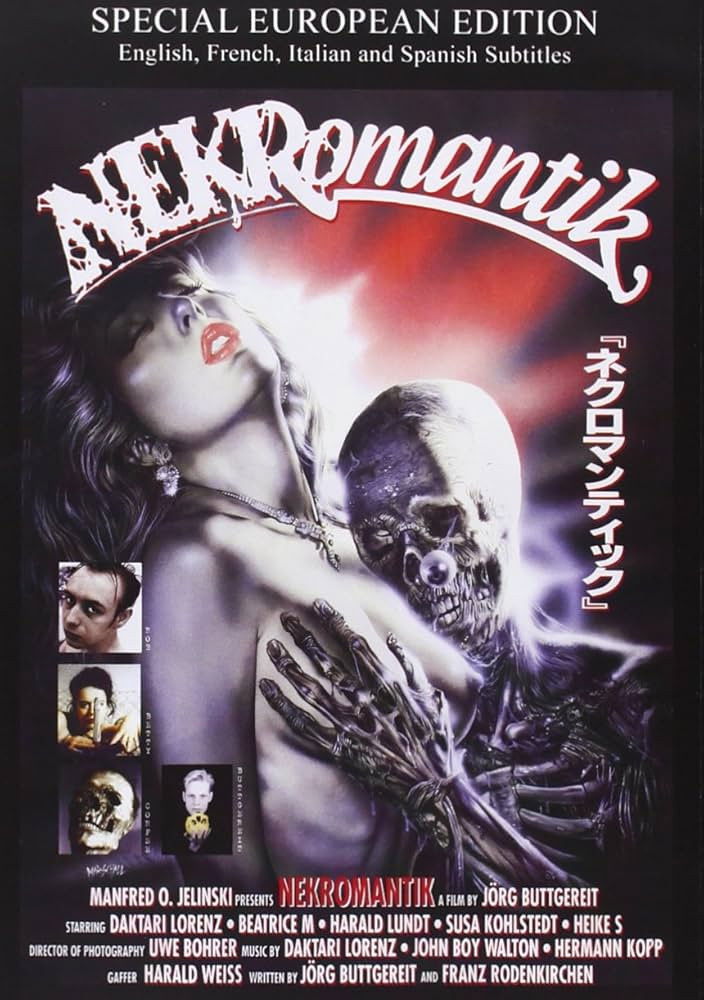
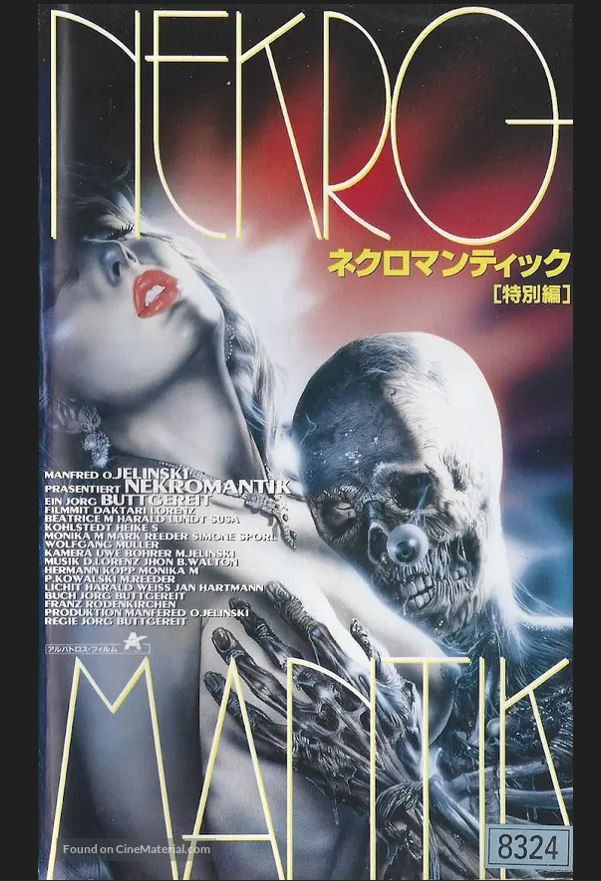
The immediate industrial bridge to Nekromantik came through Manfred O. Jelinski. Buttgereit had worked with him on a documentary connected with the Berlin punk venue SO36, using Buttgereit's contacts within the local music scene. Jelinski subsequently provided access to the equipment, editing infrastructure and technical resources required for a feature-length production. Buttgereit and Franz Rodenkirchen developed the screenplay, while Uwe Bohrer handled cinematography and lighting and Jelinski later shared editing duties with the director.
Buttgereit has also repeatedly described the project as a response to the German censorship climate surrounding horror during the 1980s. Films available internationally were frequently cut or restricted, particularly after the expansion of home video created political concern about minors obtaining violent material. Nekromantik was conceived partly out of the frustration of a horror fan who wanted to create something that could not easily be assimilated into that system. The provocation was intentional even if the international reputation that followed was not.