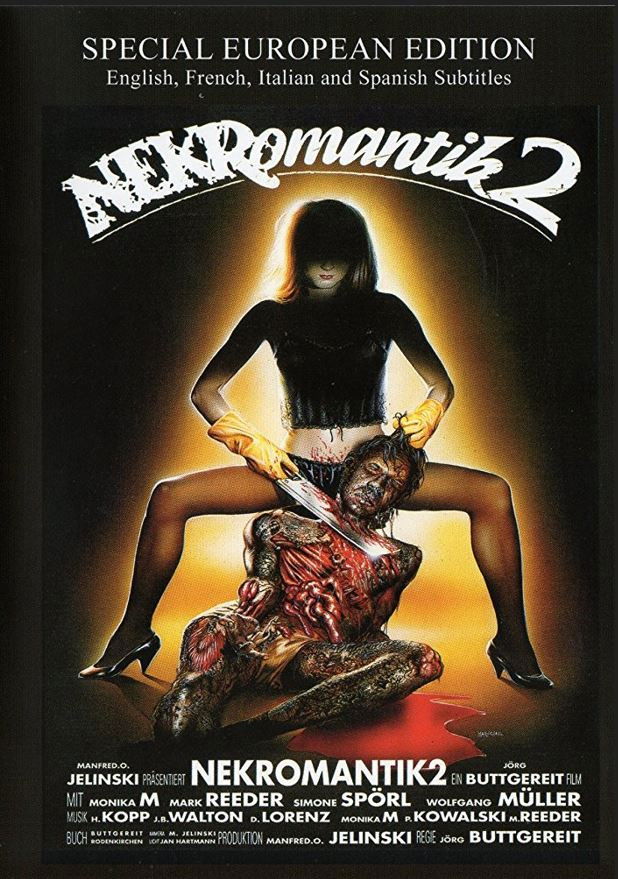
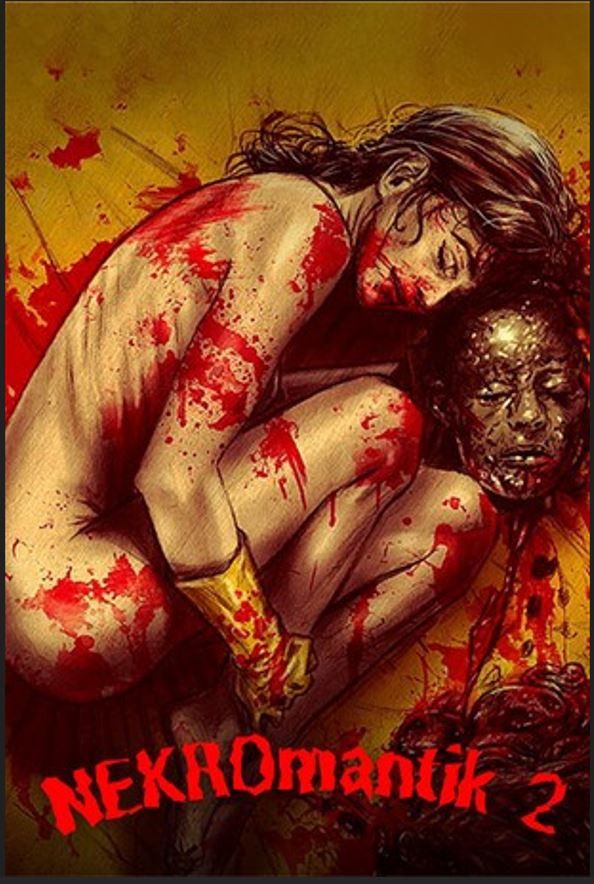
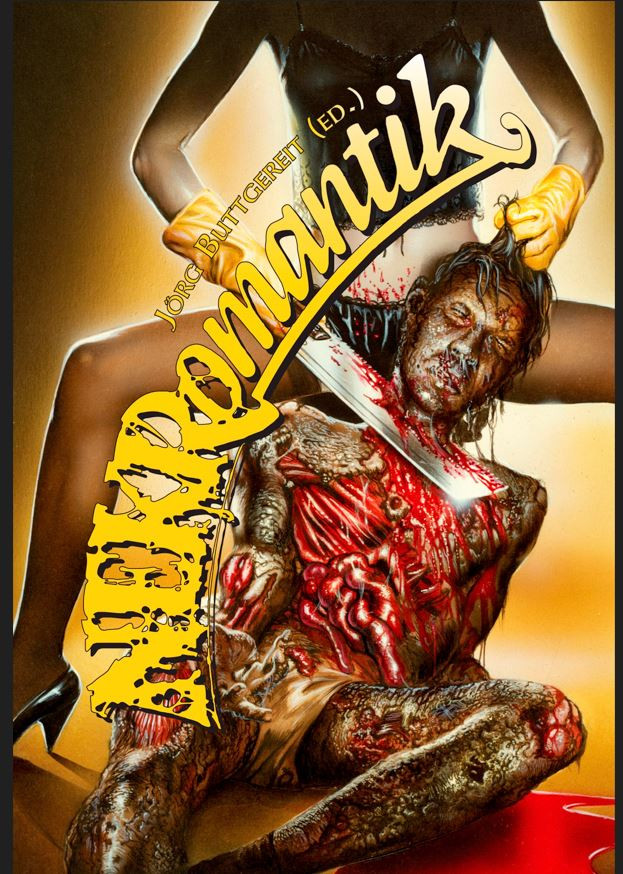
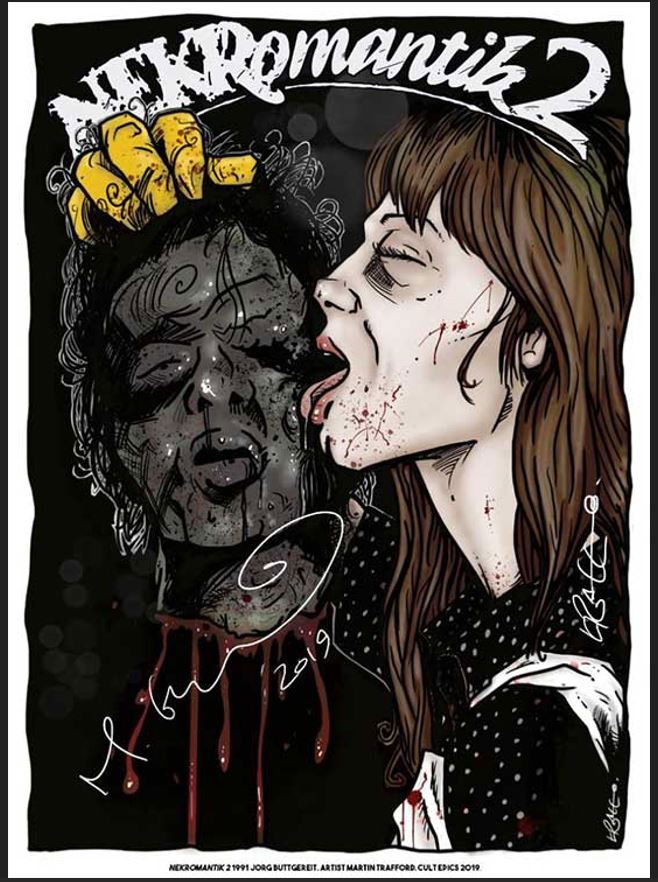
A Female Perspective on Nekromantik
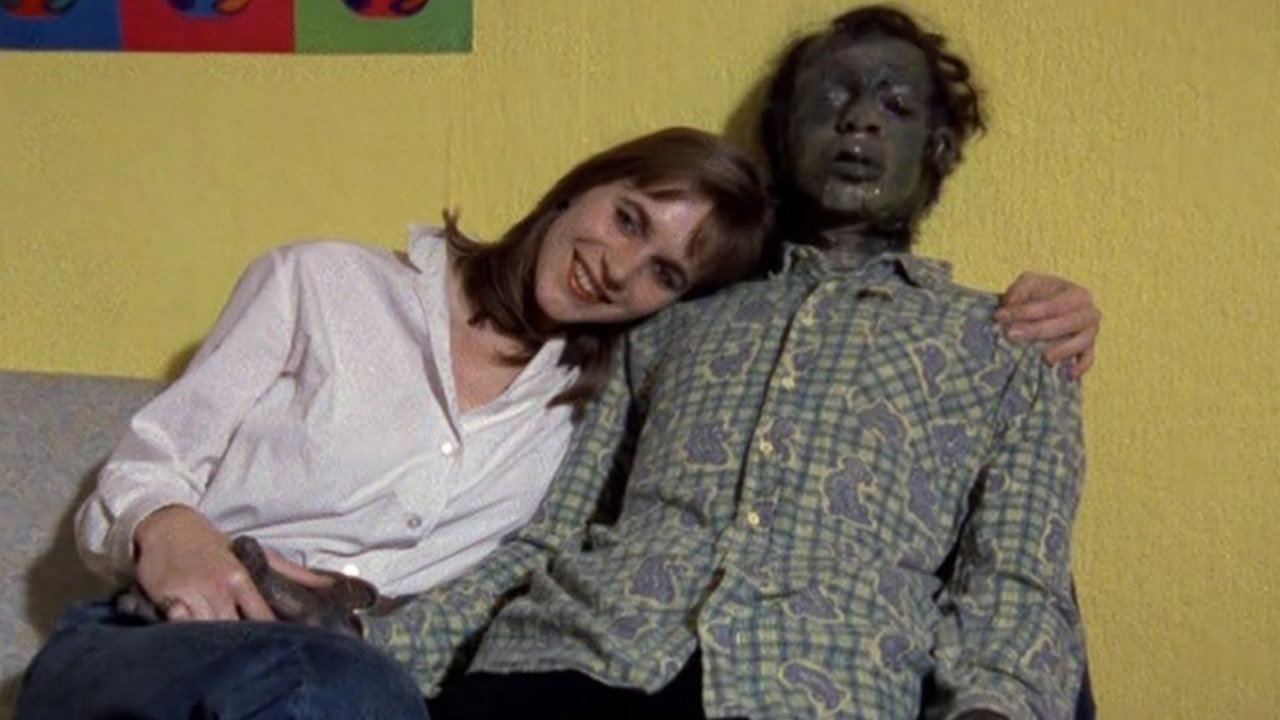
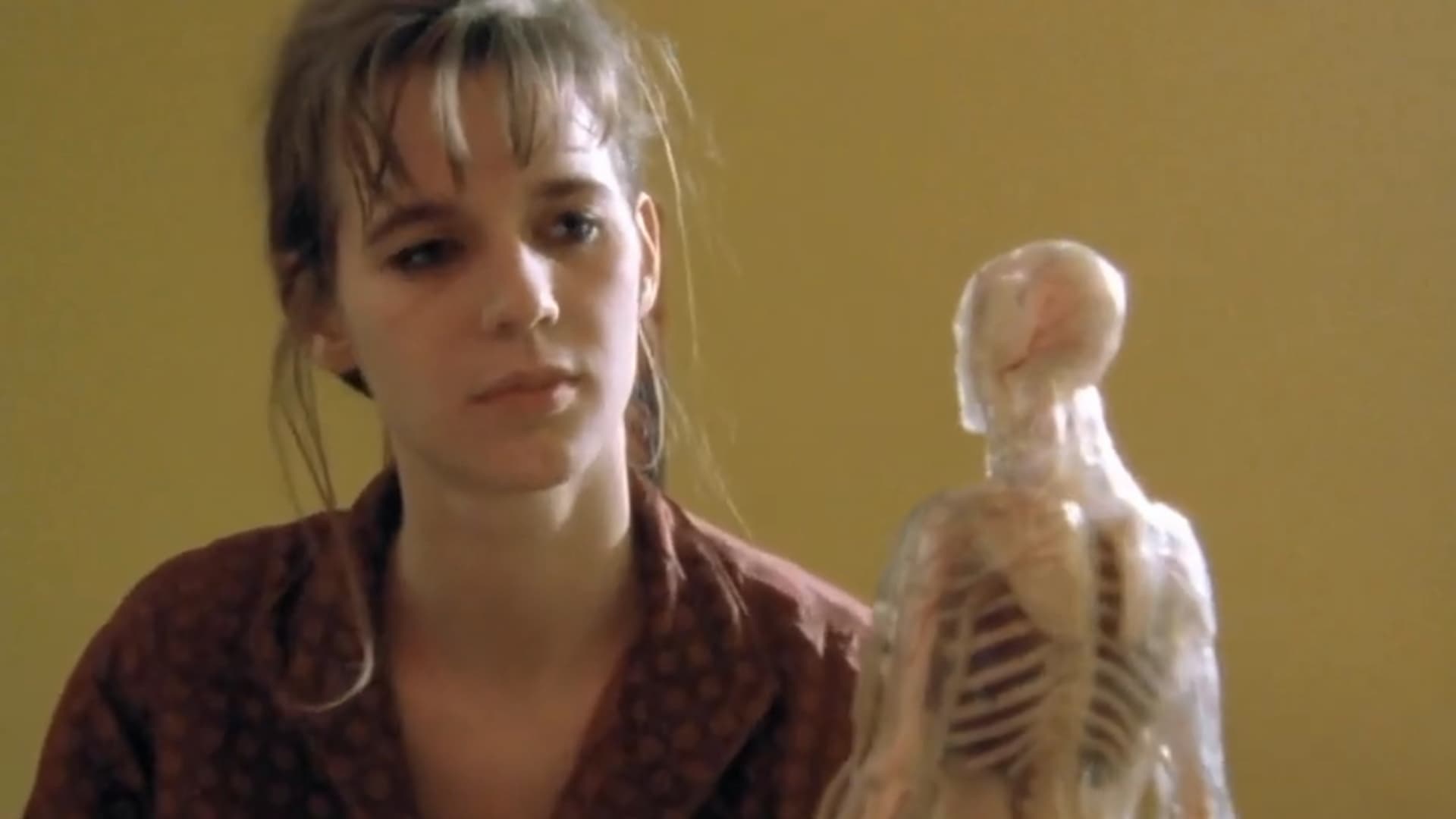
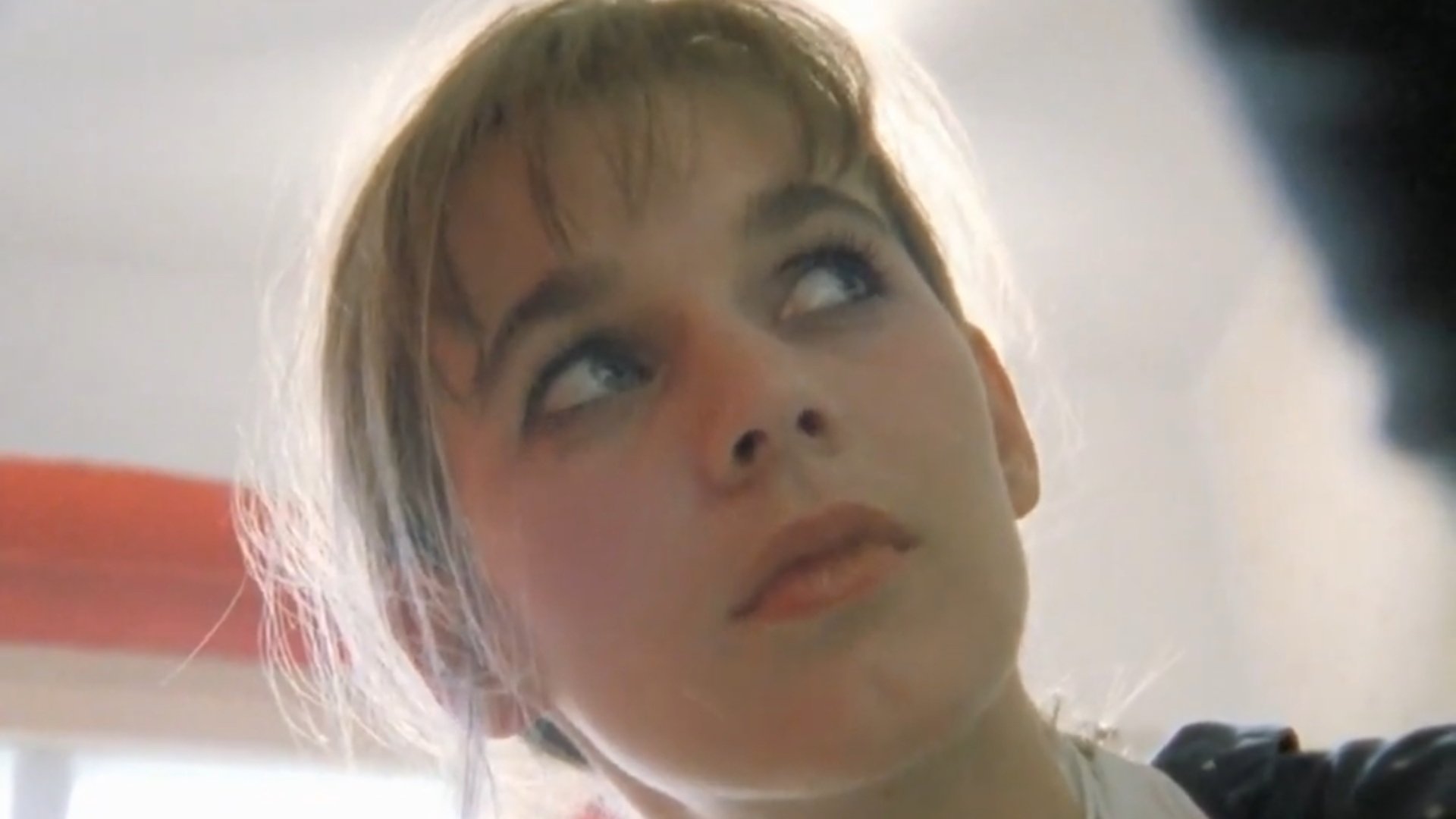
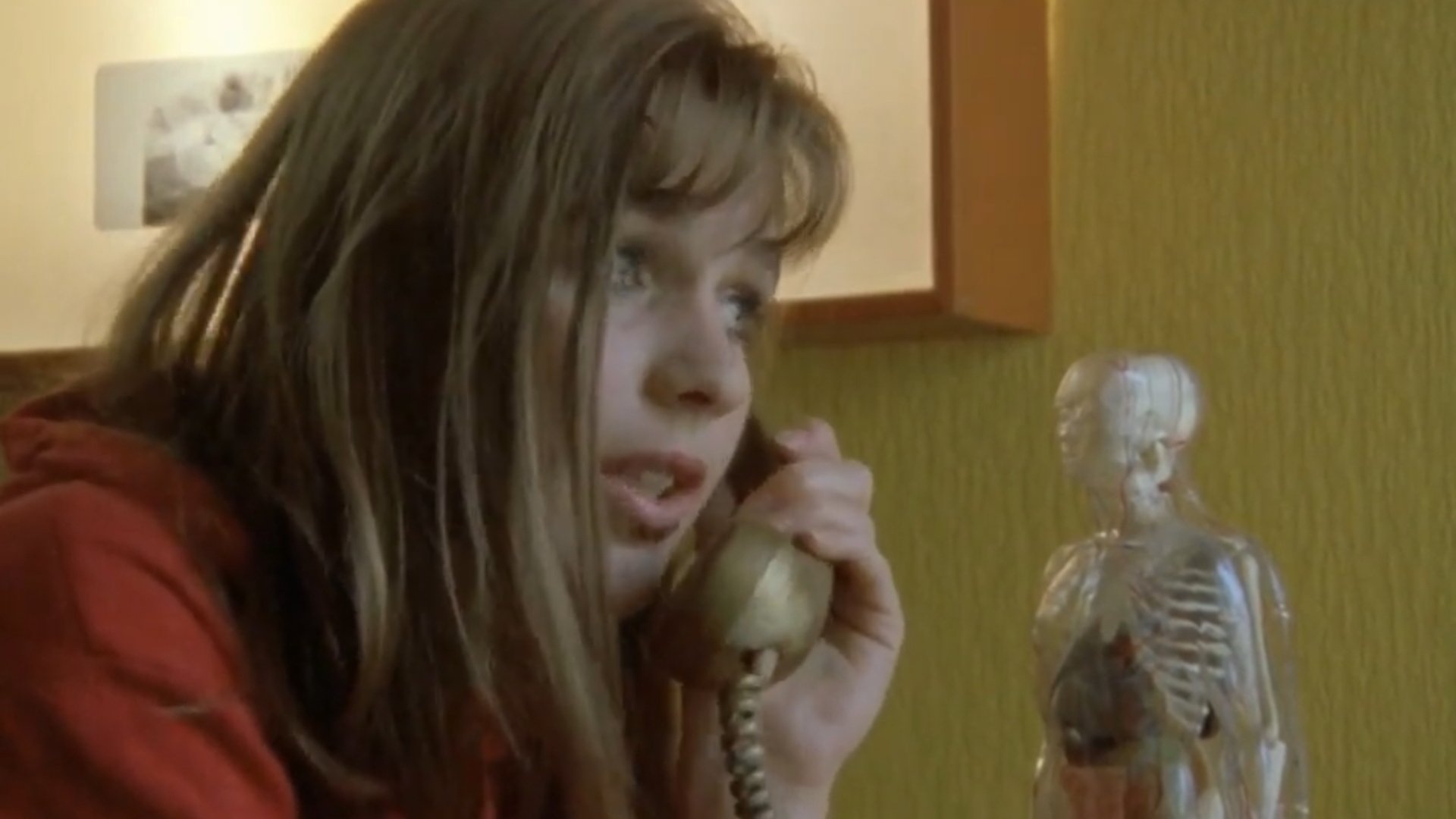
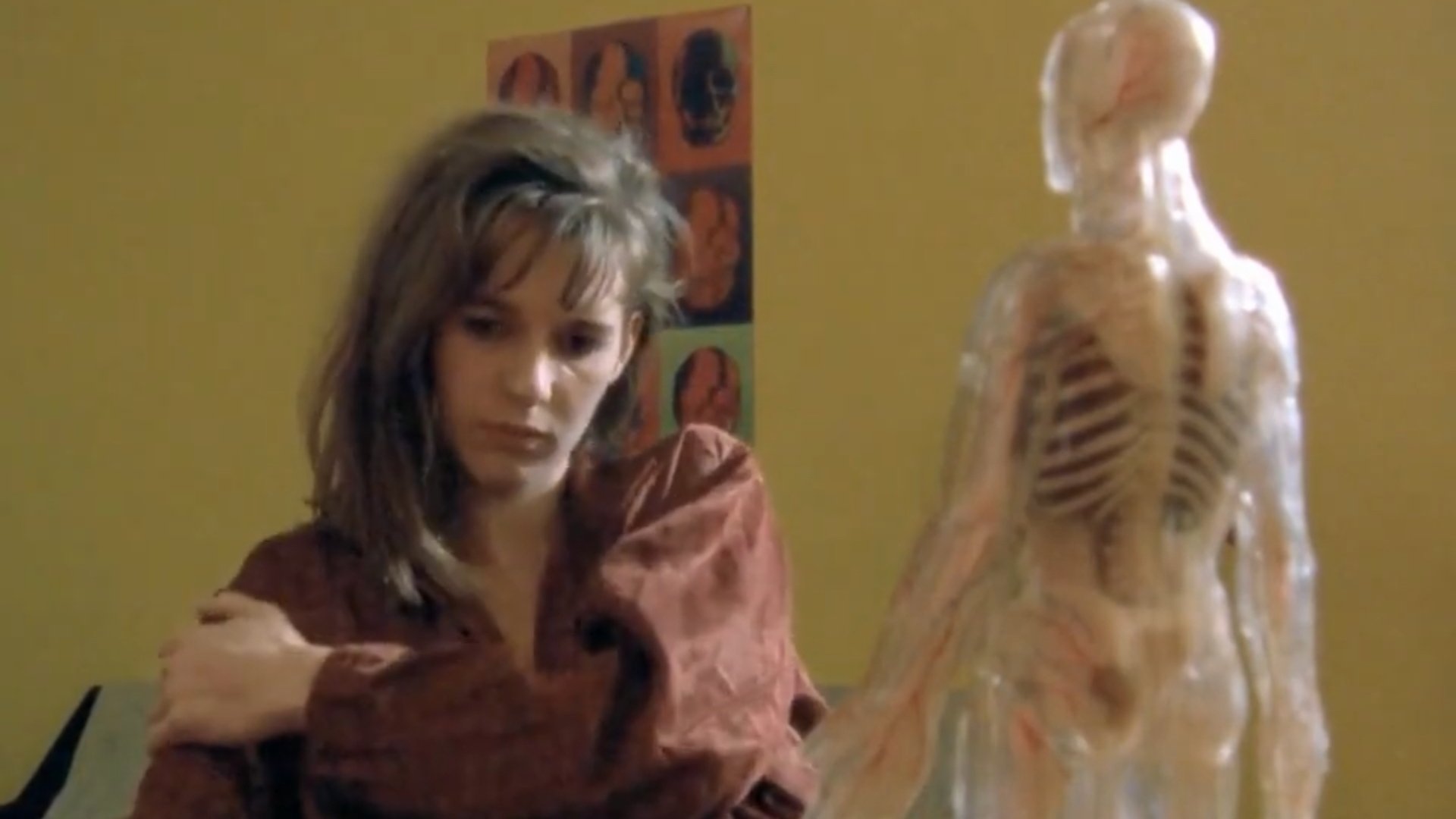
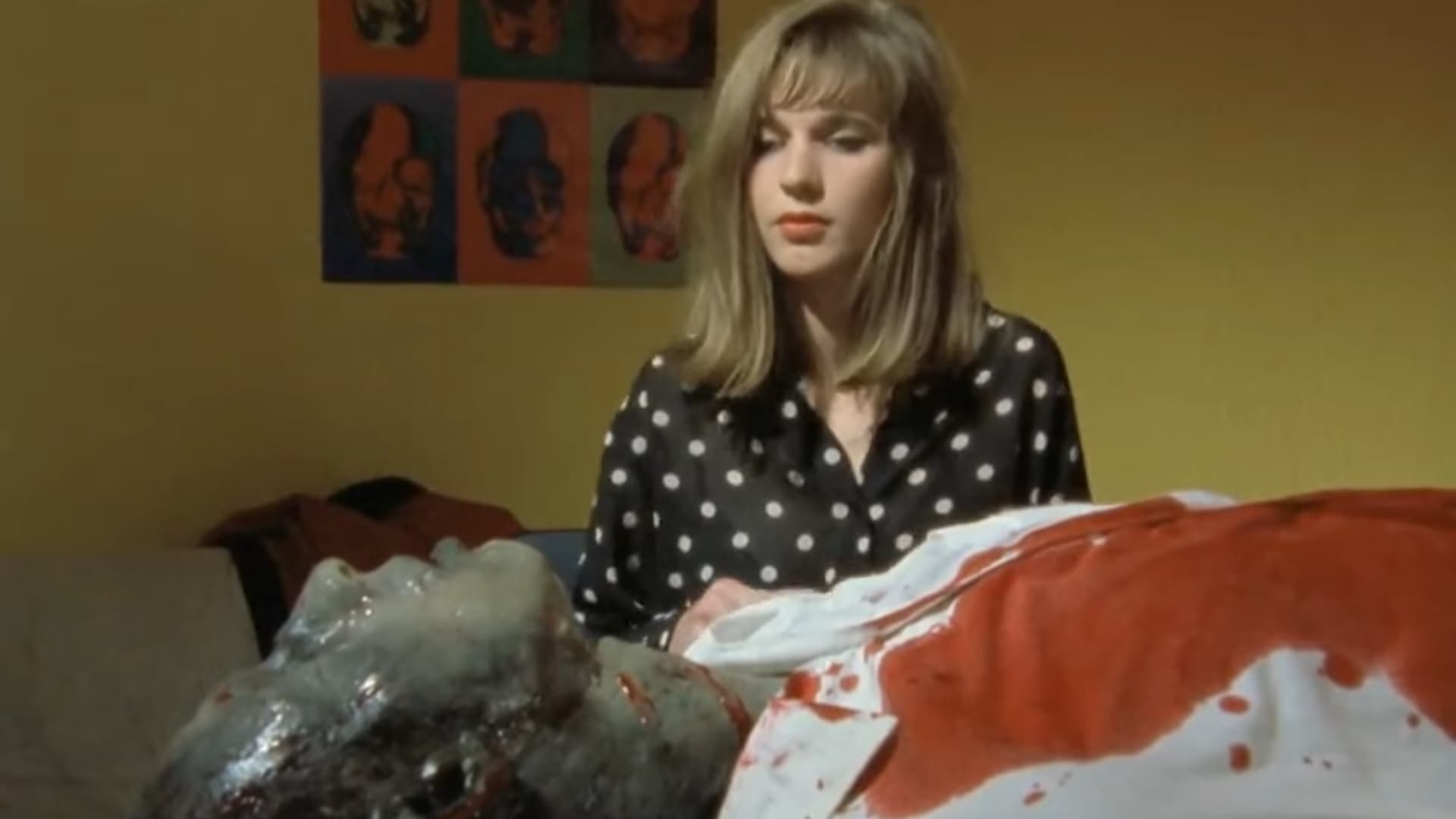
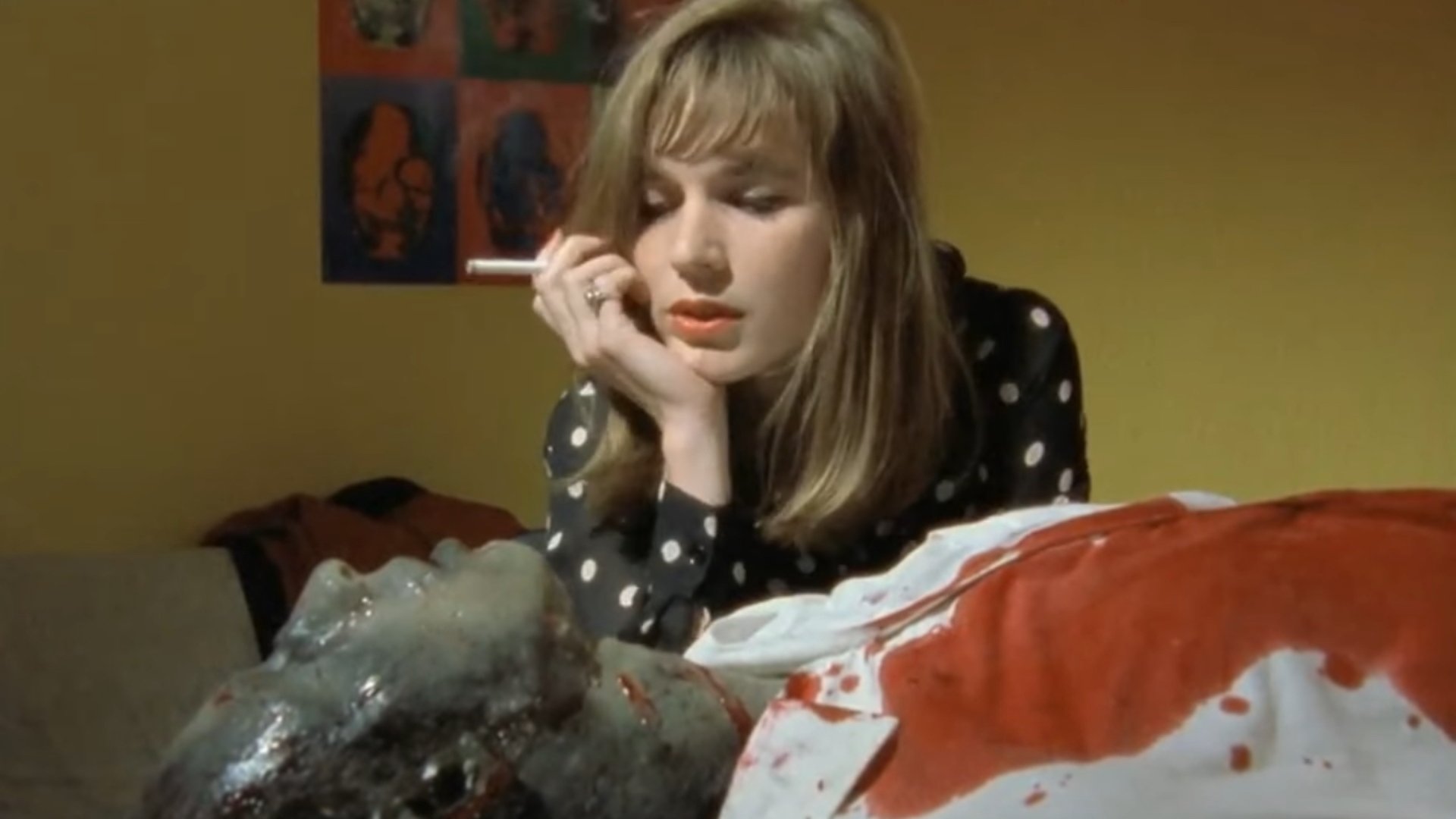
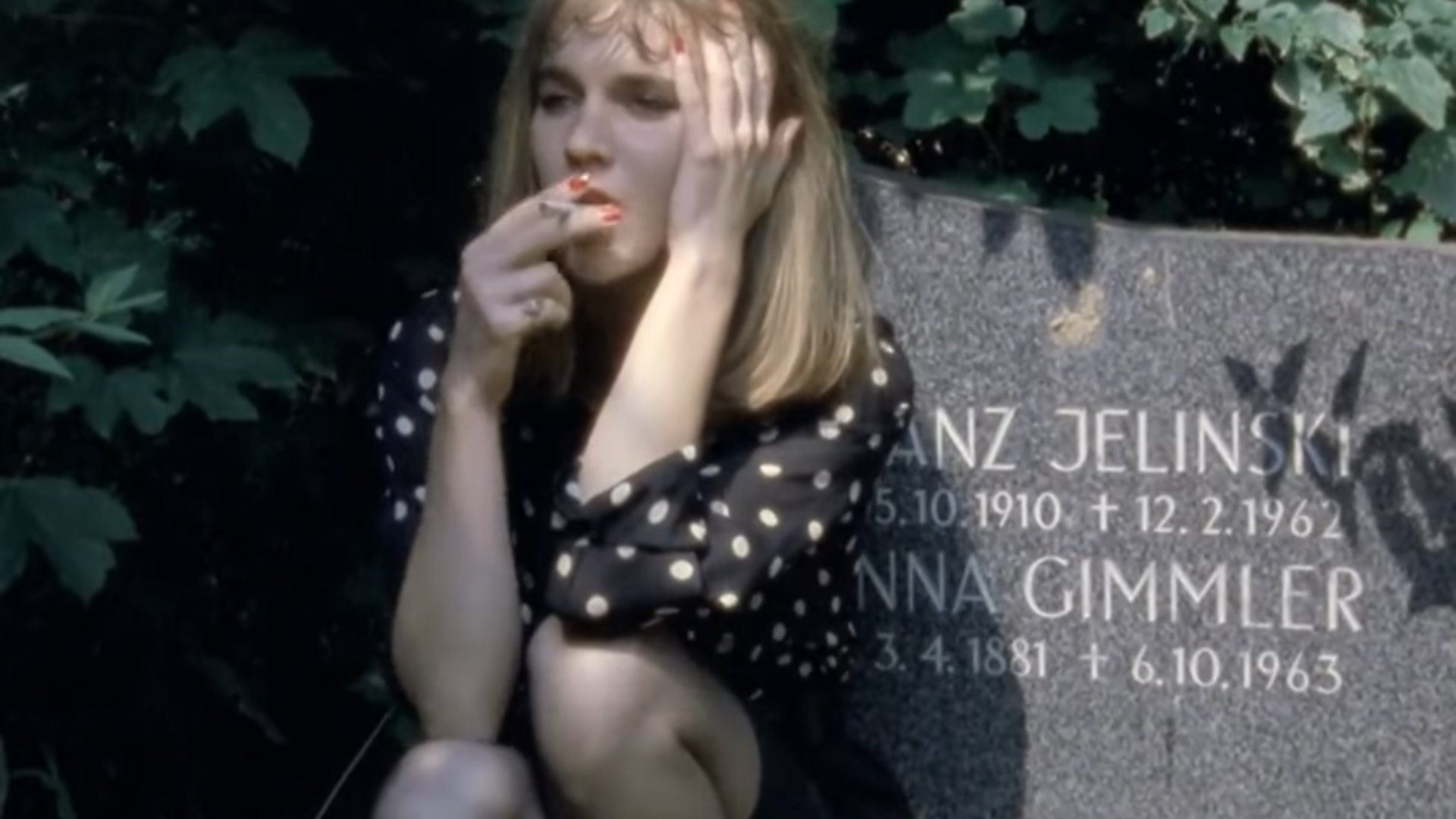
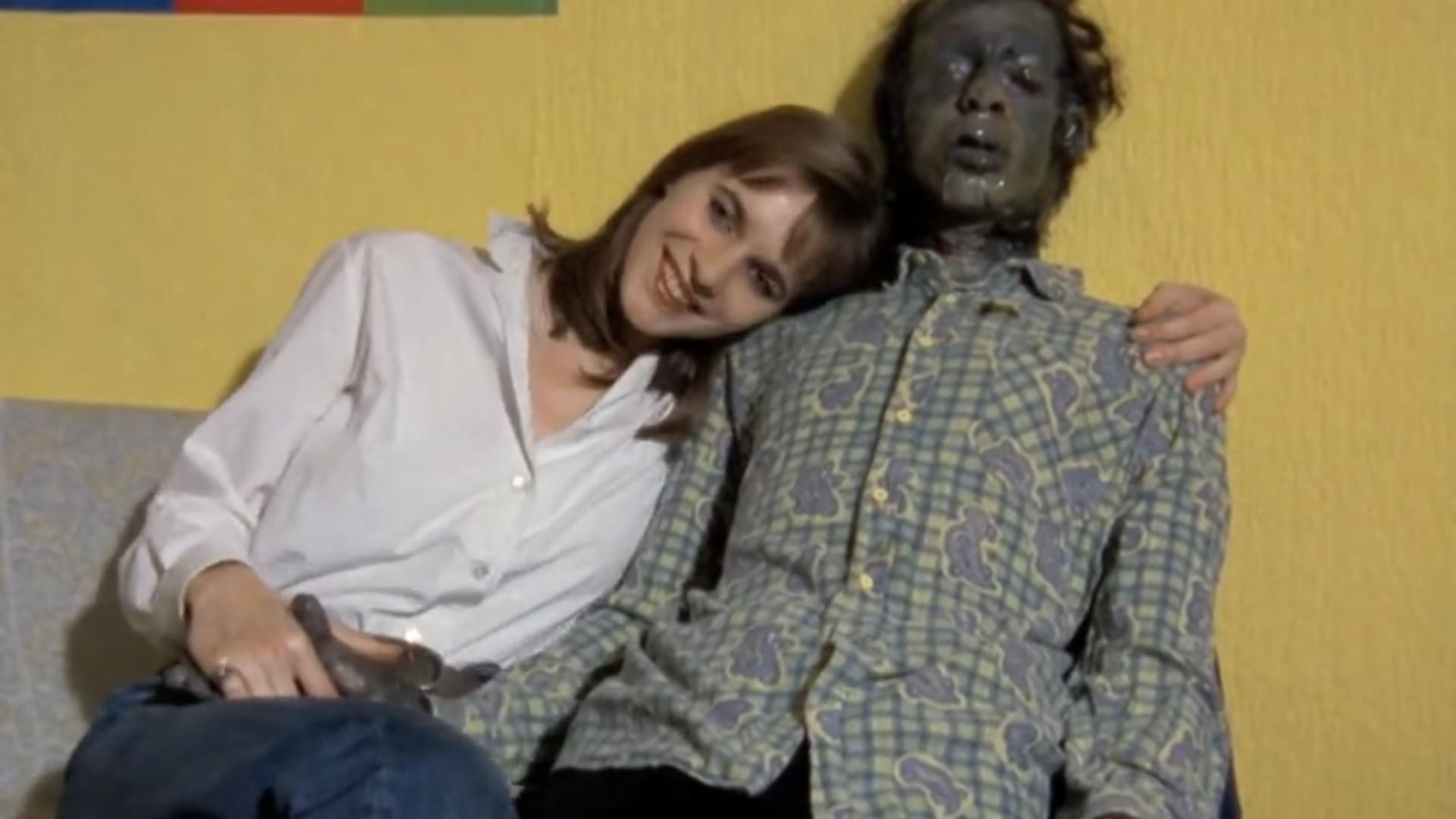
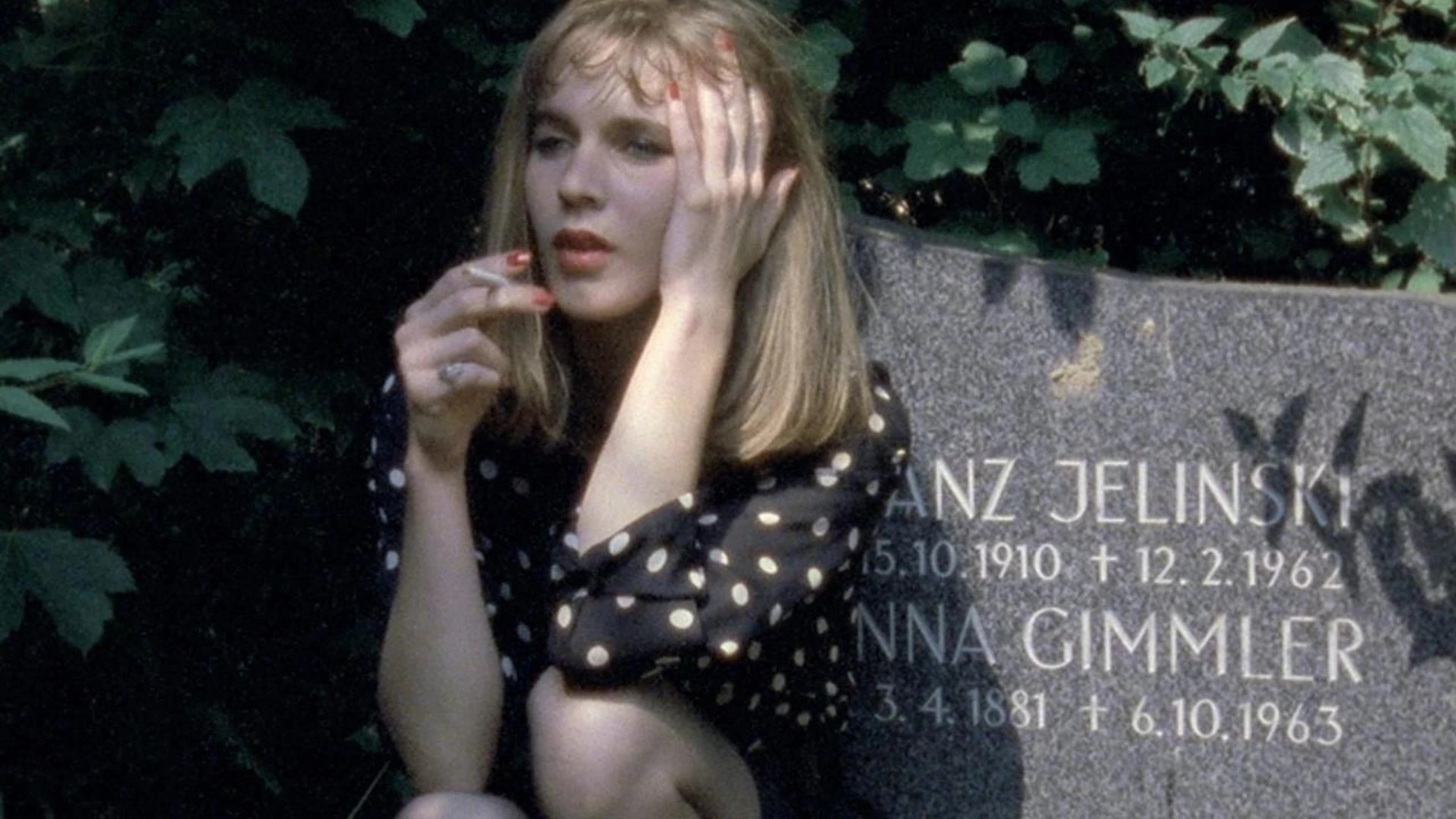
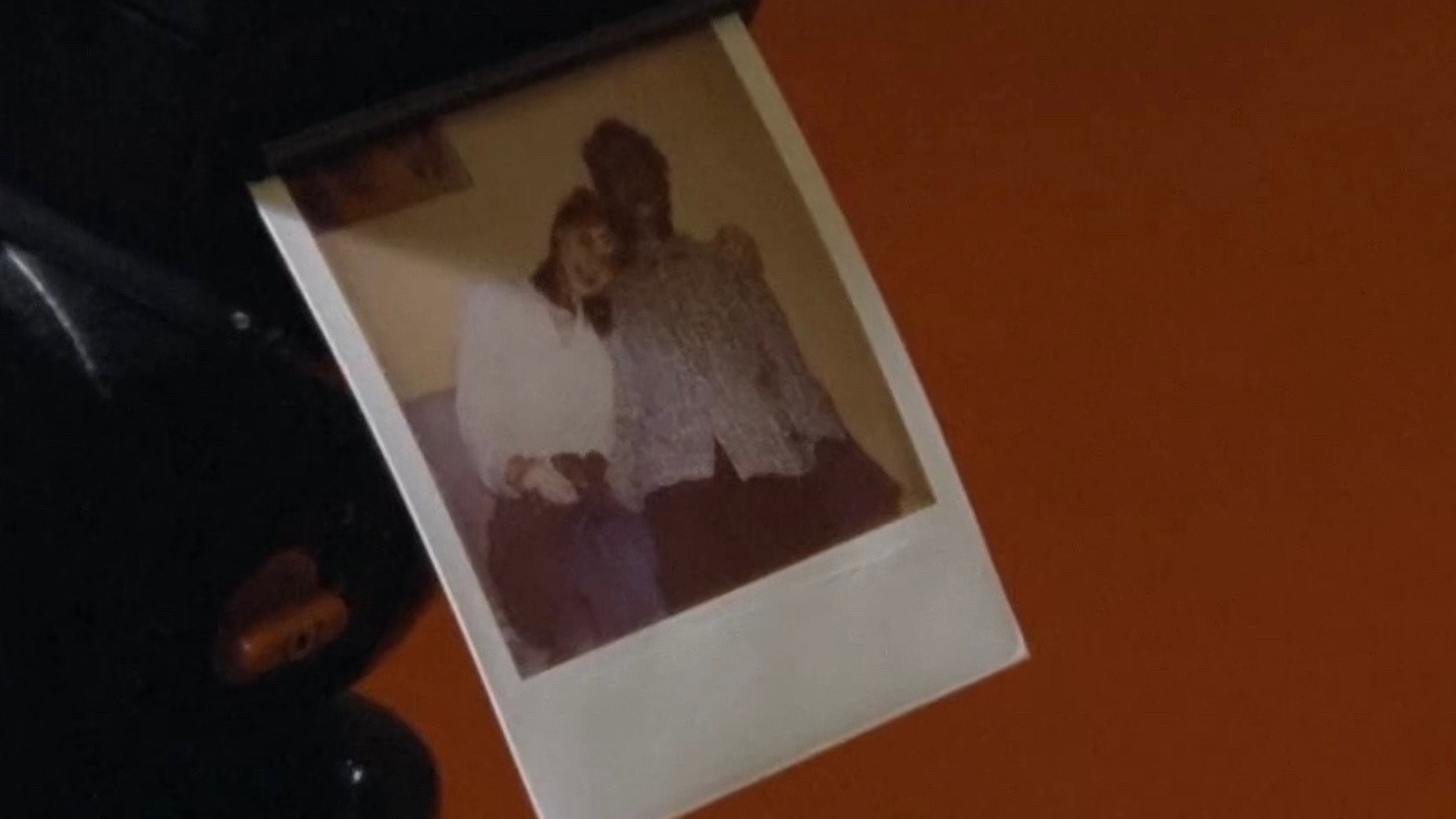
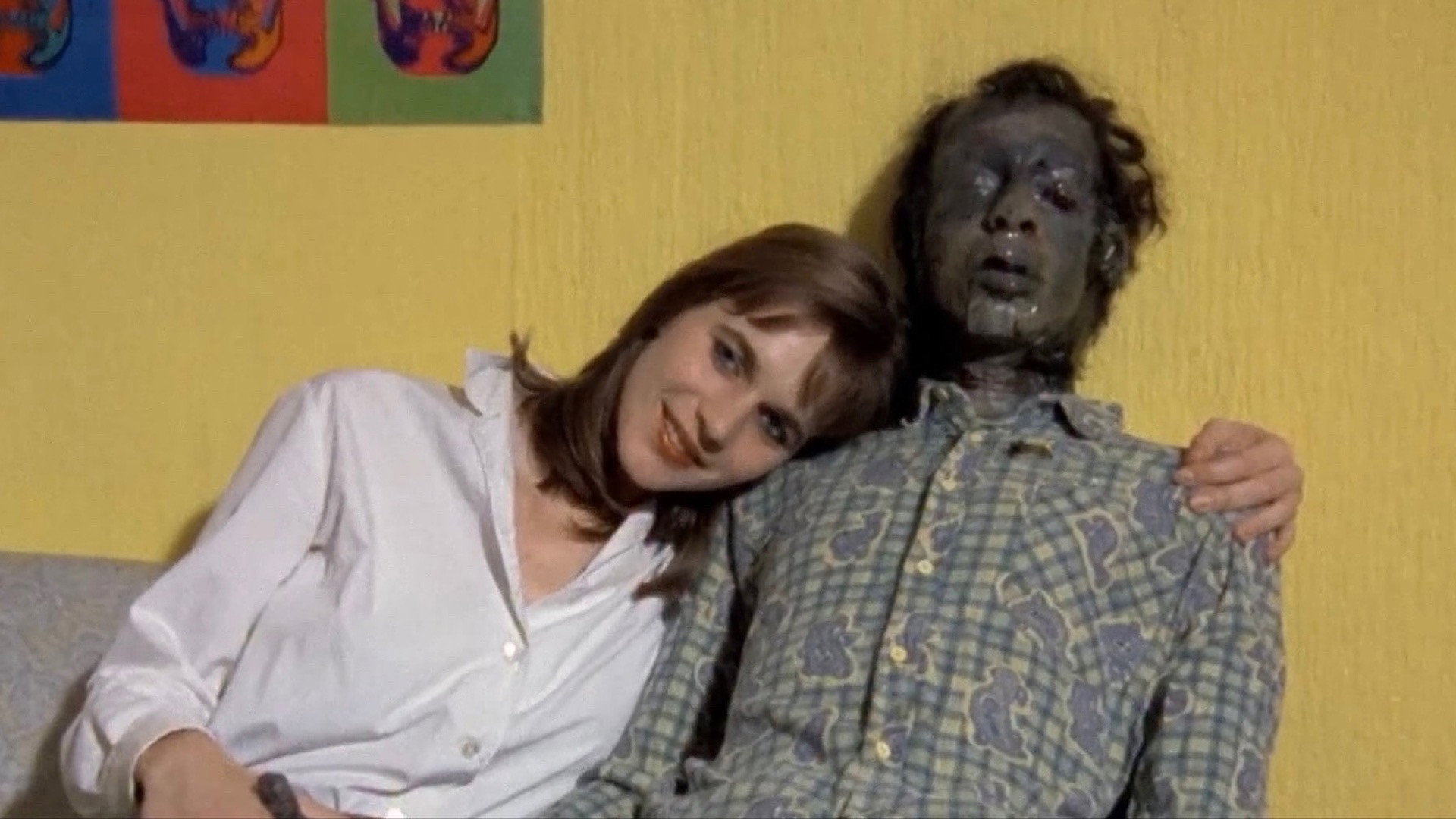
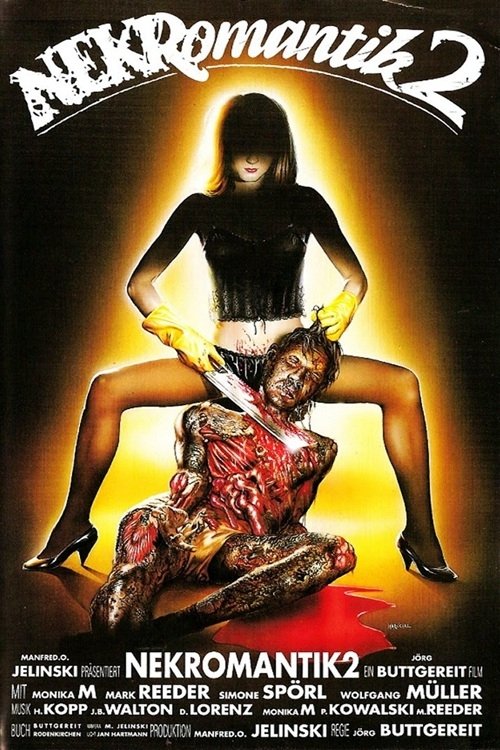
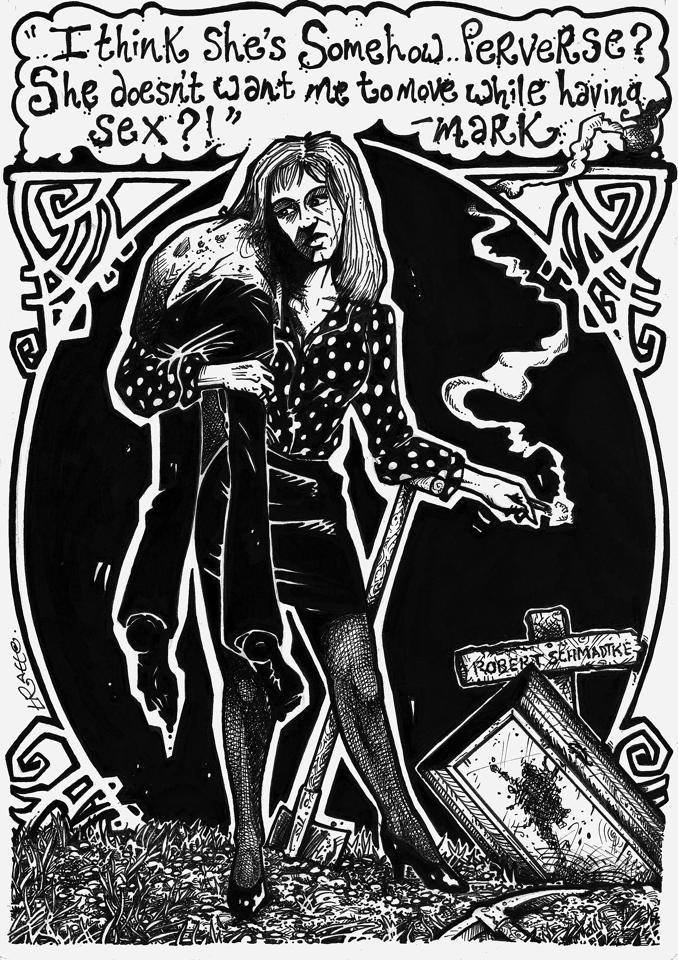
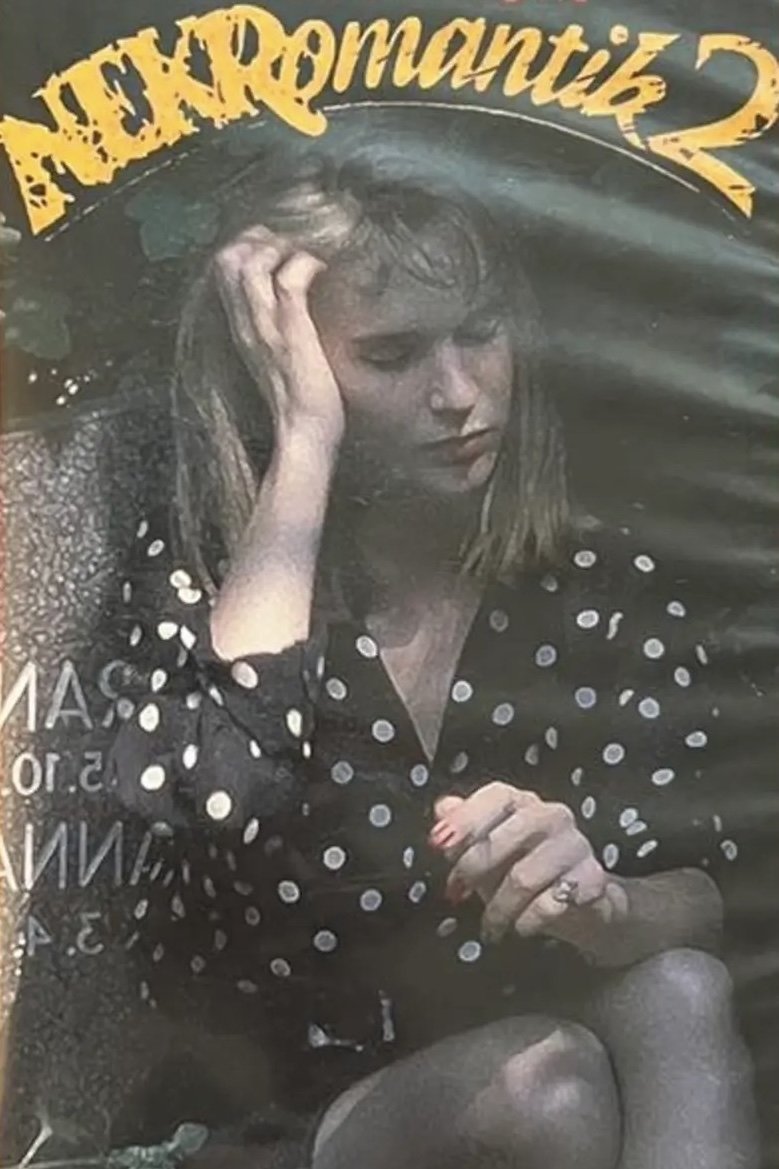
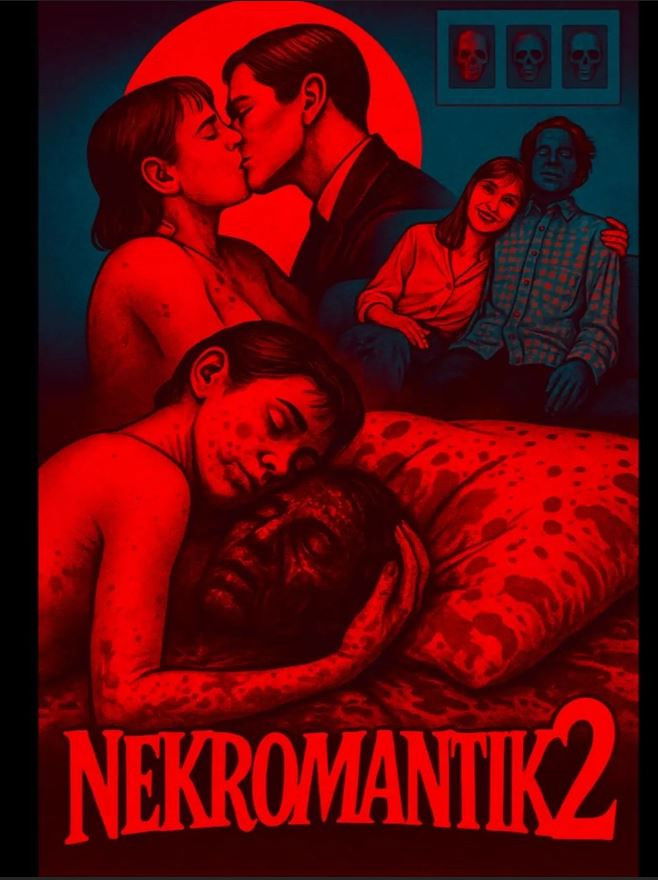
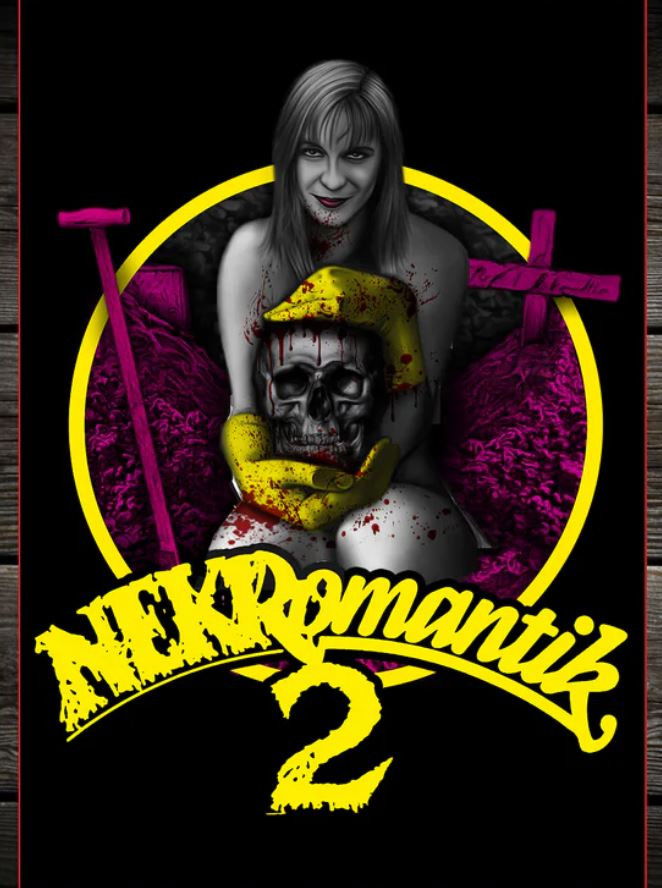
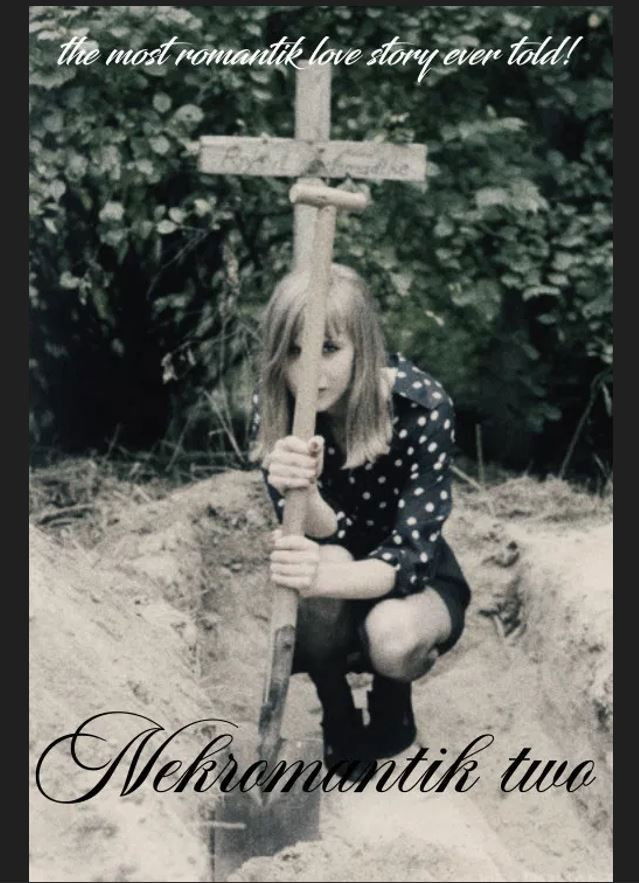
Buttgereit deliberately shifted the point of view away from the male protagonist who had dominated the first film. He later explained that Monika was partly developed after he read an interview with Karen Greenlee, an American woman publicly associated with necrophilia, in the countercultural anthology Apocalypse Culture. The source interested him because it provided a female perspective on a subject normally represented through male pathology or sensational crime reporting. A visual reference to Greenlee was even incorporated into Monika's apartment.
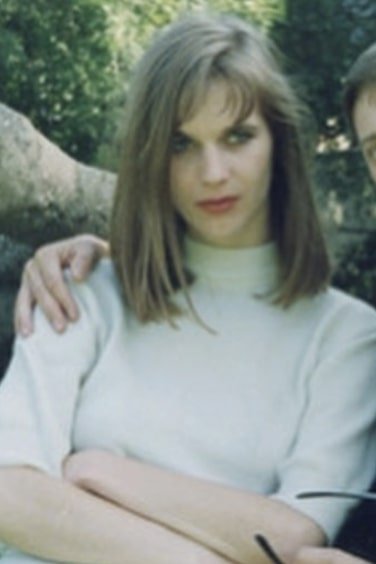
The casting developed with similarly unconventional logic. Buttgereit encountered Monika M. at a screening of Lucio Fulci's The House by the Cemetery and was struck by the fact that she had attended alone. He interpreted that as evidence that she might be unusually open to participating in the sort of project he was planning. She had already seen Der Todesking and later watched Nekromantik, so the filmmakers did not need to disguise what kind of material the sequel would contain. Buttgereit has described his direction of her as highly pragmatic, concentrating on movement, position and physical action rather than lengthy discussions of psychological motivation.
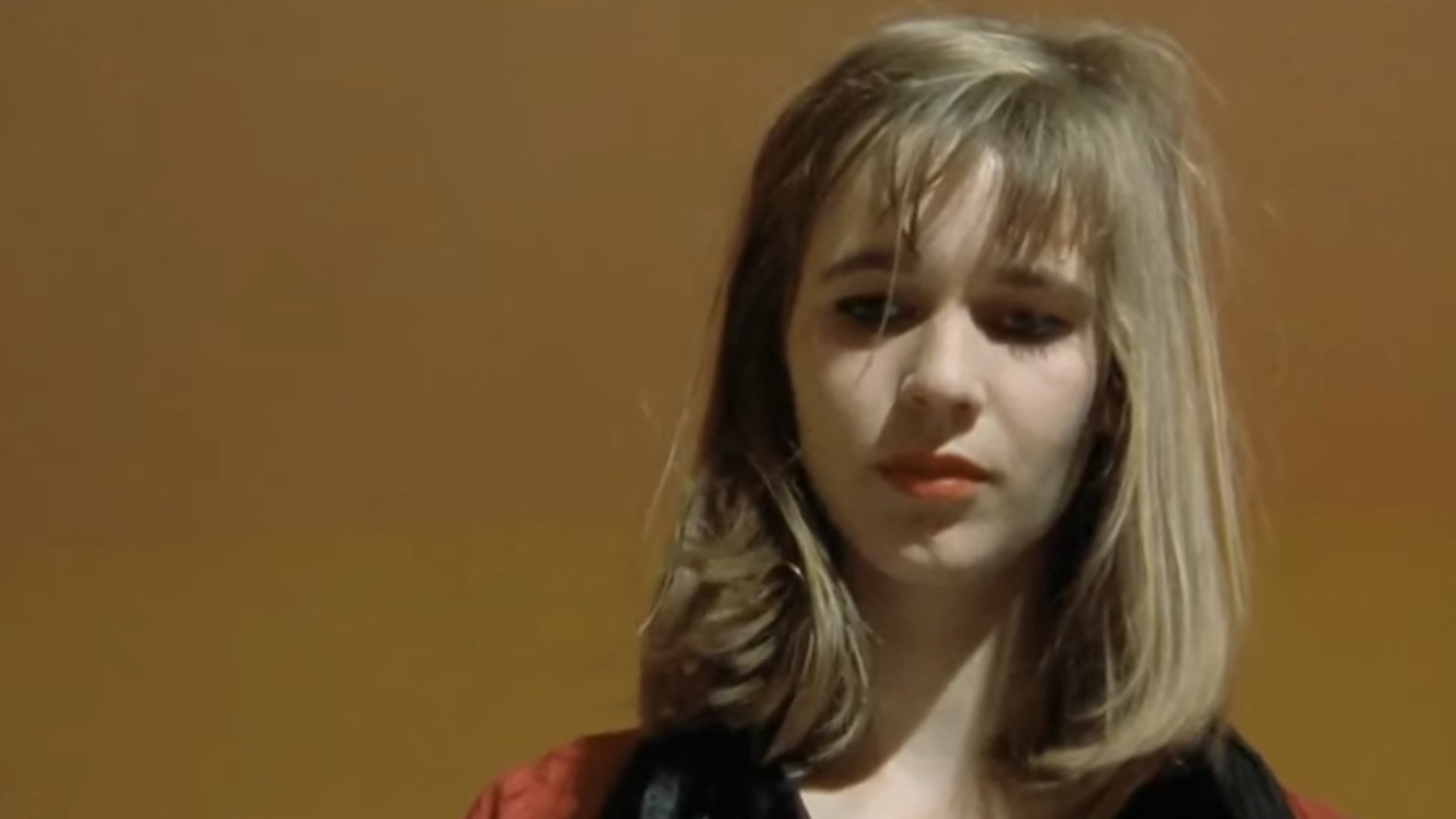
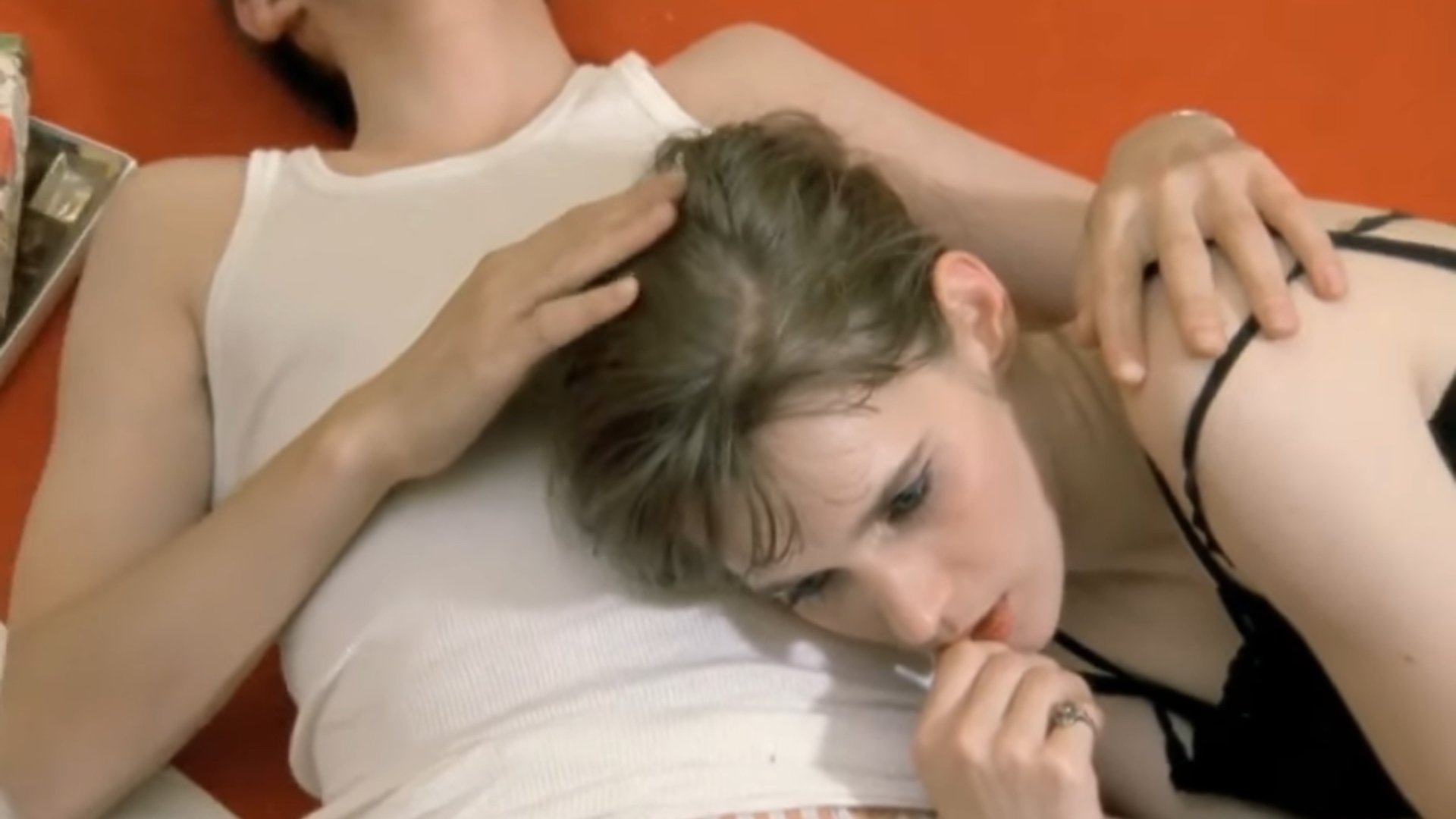
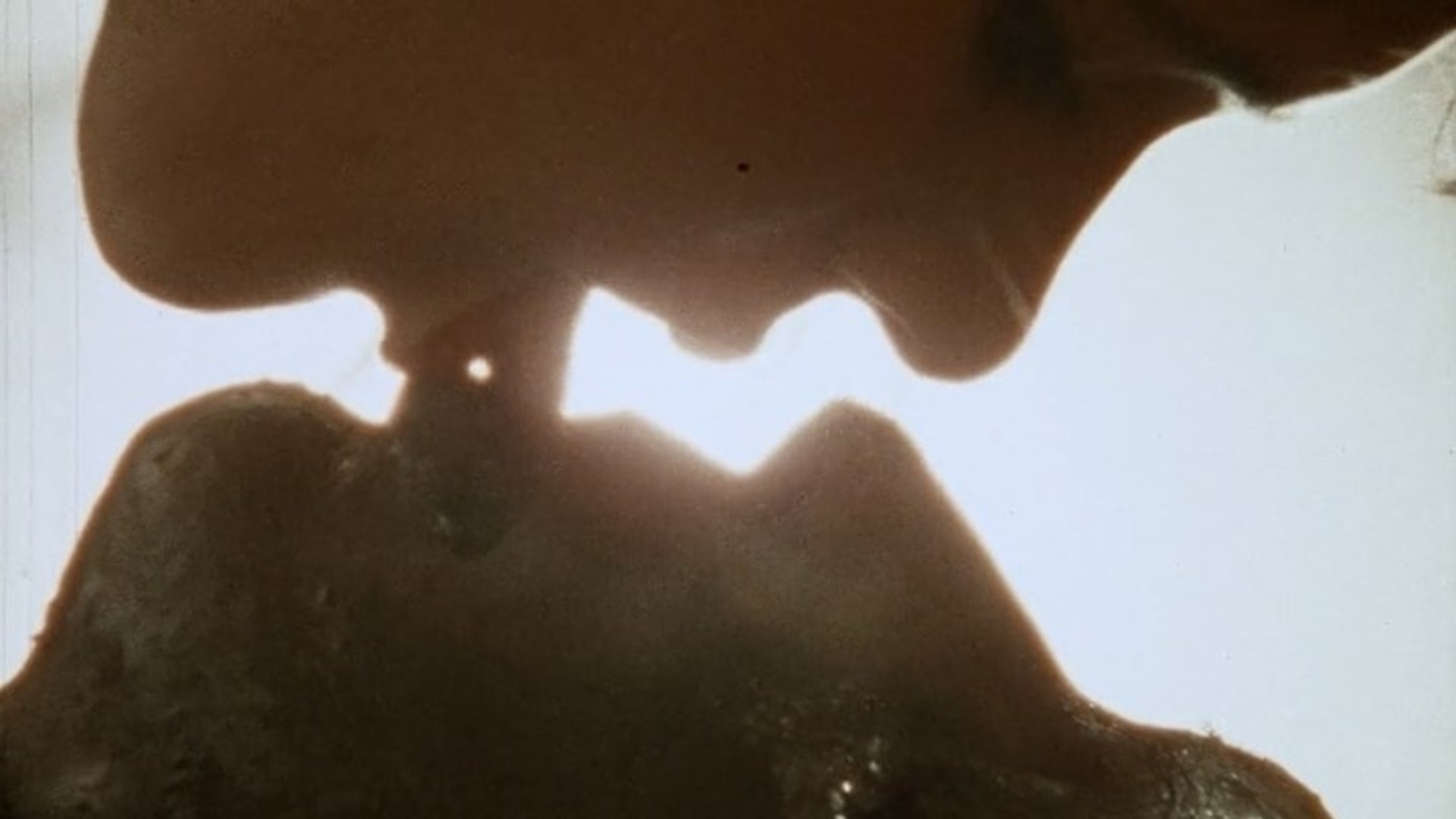
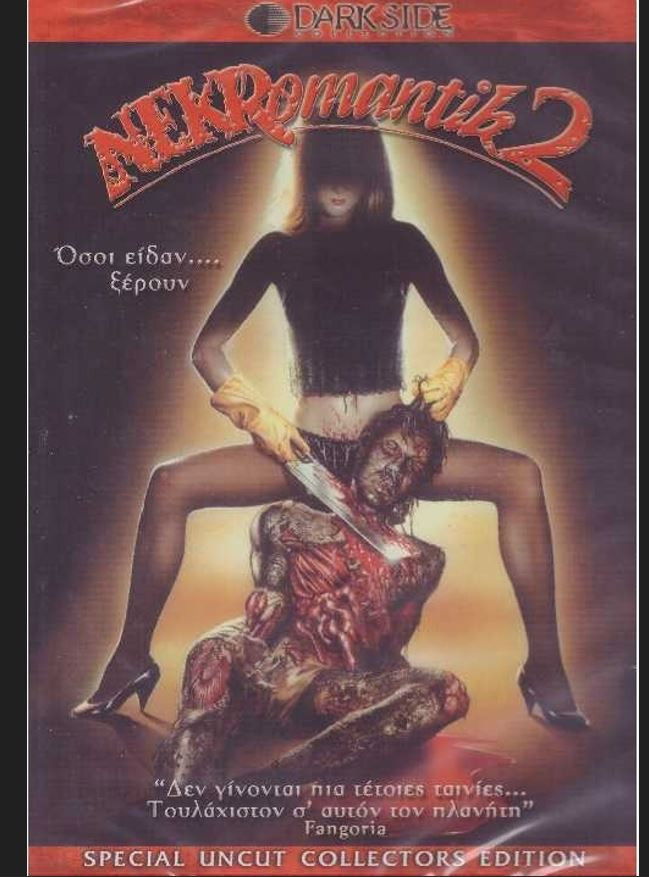
That approach produces a character who is difficult to reduce to either victim or conventional monster. The film does not construct Monika principally as someone who must be exposed and punished for being abnormal. Buttgereit later argued that one of the aspects authorities found provocative was precisely that the film remained aligned with her point of view. The audience is asked to understand her emotional conflict even when the behavior surrounding that conflict becomes grotesque. This shift gives the sequel a more sustained character-study structure than the first Nekromantik.
Berlin After the Wall
Nekromantik 2 was photographed during a particularly unusual moment in Berlin history. The Berlin Wall had fallen in November 1989, German reunification followed in October 1990, and Buttgereit's production suddenly had practical access to locations in the former East Berlin that had previously been difficult or impossible to use. The director later recalled exploiting that freedom for street scenes, the zoo and other exterior material. Permission could sometimes be obtained for almost nothing compared with the costs and bureaucracy attached to comparable locations in West Berlin.
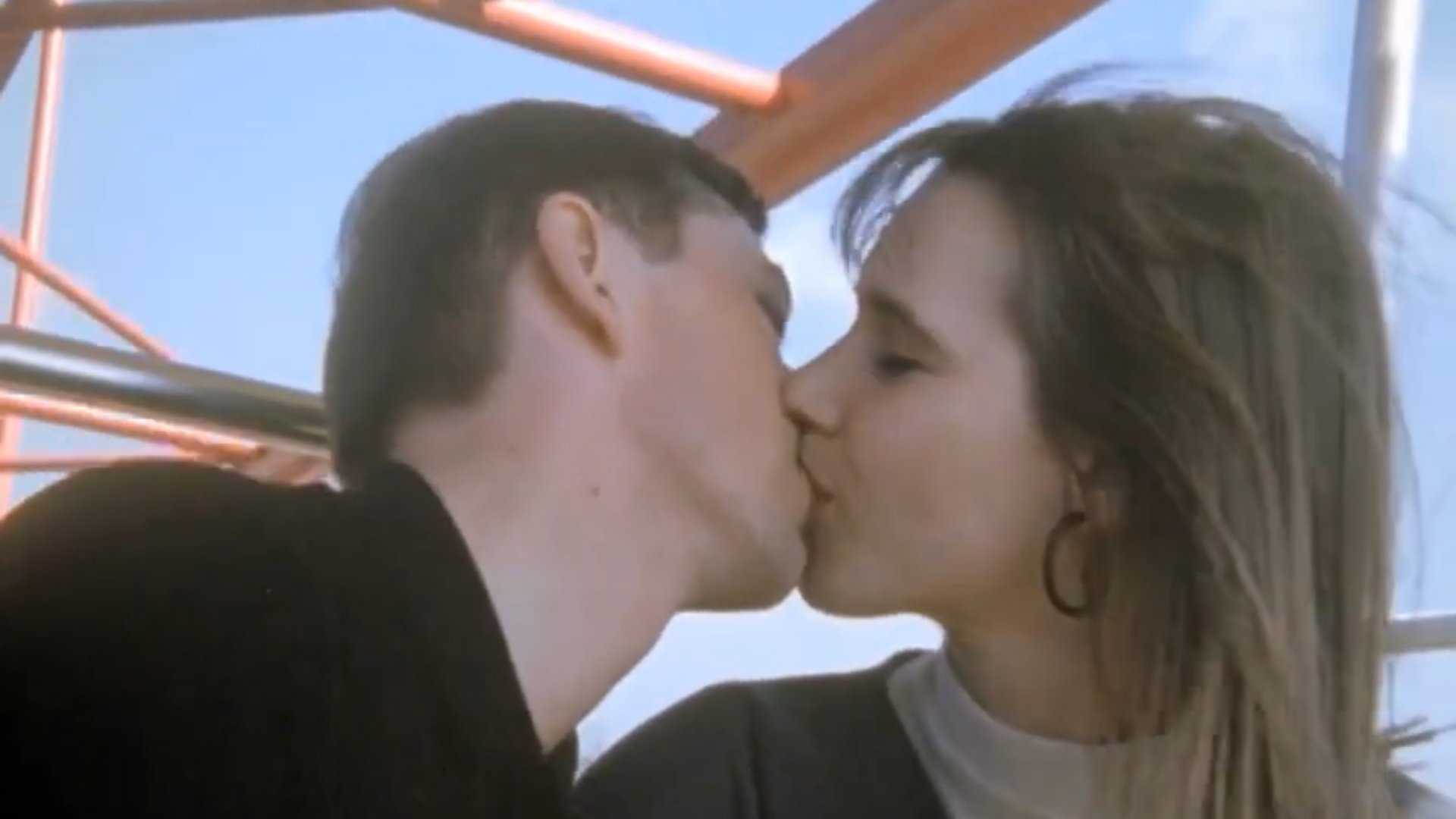
The physical appearance of those areas became part of the film. Buttgereit remembered East Berlin at the time as visibly worn and depressed, qualities that fitted the atmosphere he wanted without requiring extensive art direction. The film embeds its extreme romantic story inside apartments, public transportation, amusement areas, cinemas and streets that belong to a specific historical Berlin. Everyday urban space makes Monika's private life more disquieting because very little separates it visually from ordinary life outside her apartment.
Decades later Buttgereit described Nekromantik and its sequel as accidental time capsules. The first captures parts of West Berlin that have since changed, while the second records parts of the newly accessible East before rapid redevelopment transformed them. This documentary value was never the principal purpose of the production, but it has become increasingly significant as the locations disappeared or altered. The city is therefore more than a cheap production resource. It preserves a physical historical moment around a fictional story that could only have been made by filmmakers moving through Berlin at precisely that transition.
Effects, Materiality and Body Horror
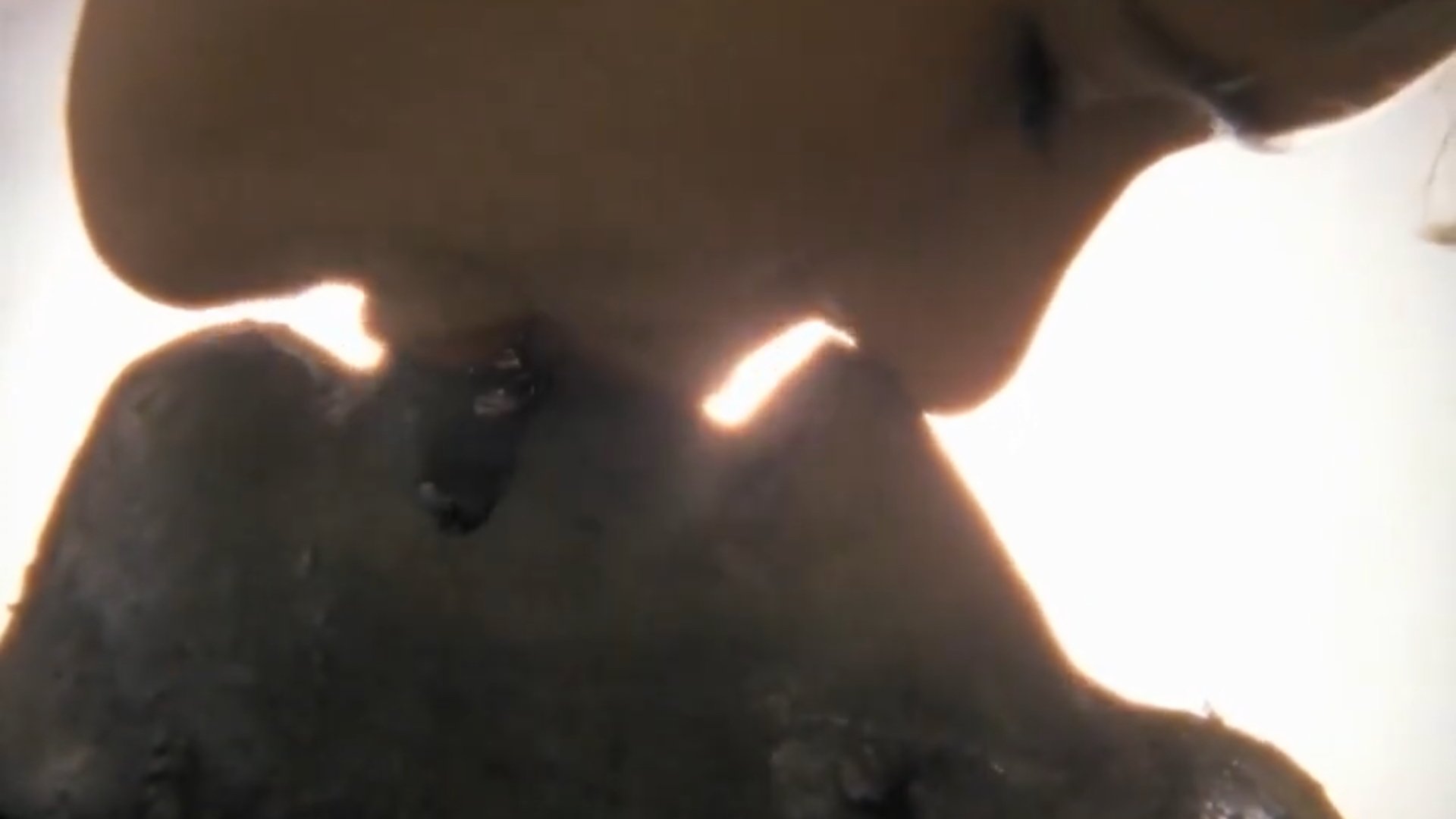
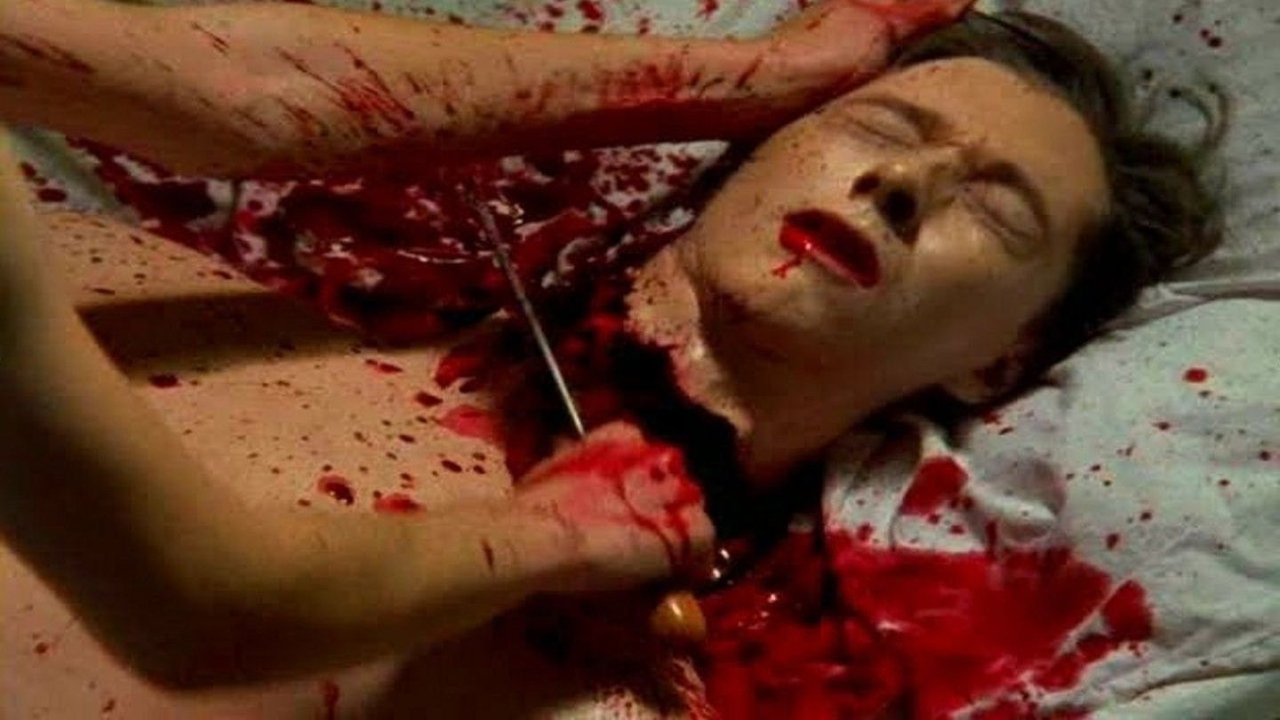
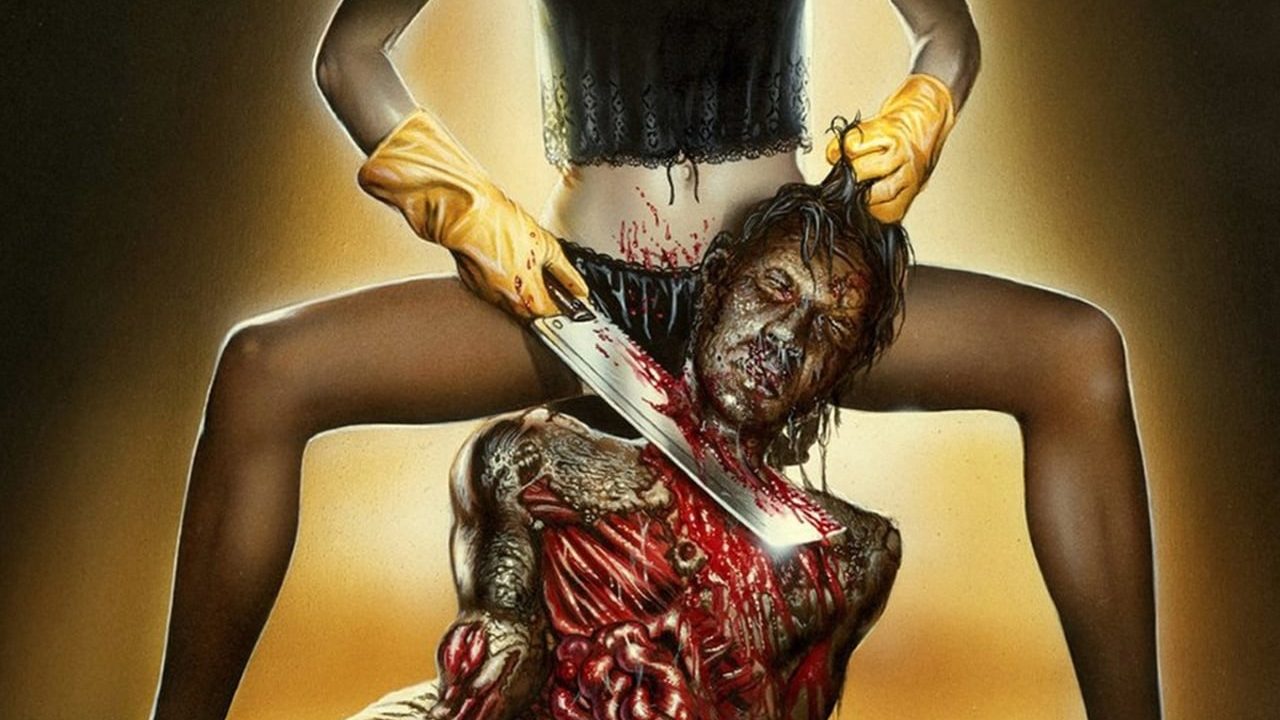
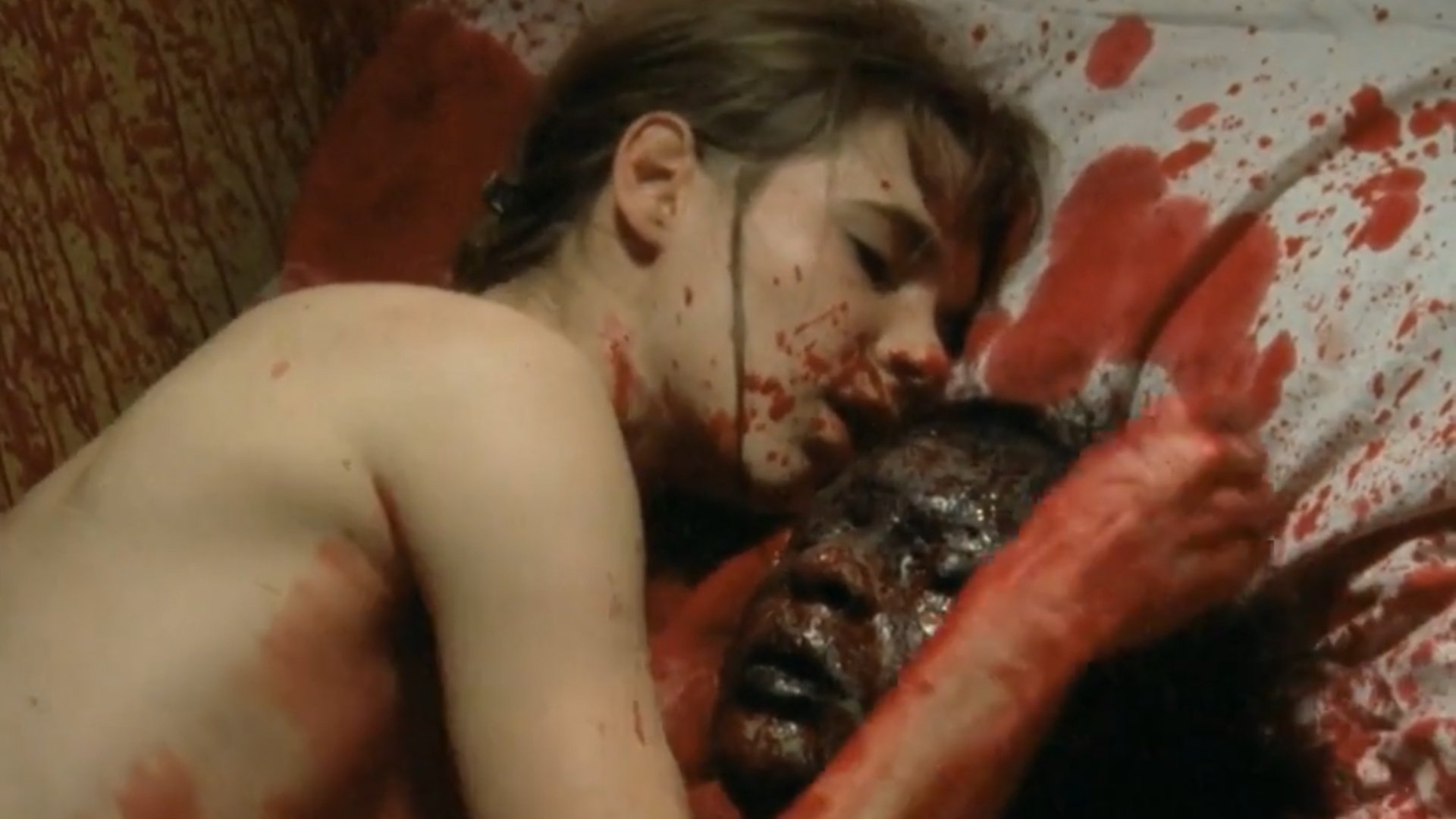
The technical credits divide the effects work between physical special effects by Alois Vollert and Sammy Balkas and optical work handled by Jelinski. That distinction is characteristic of the film's overall method. Bodies and objects needed to exist physically enough to interact with performers, lighting and the apartment sets, while optical techniques could solve specific photographic problems that could not be achieved entirely during the original exposure. The production never had resources comparable to a studio effects film, so the design depends heavily on choosing what must actually be visible and how long the camera should remain on it.
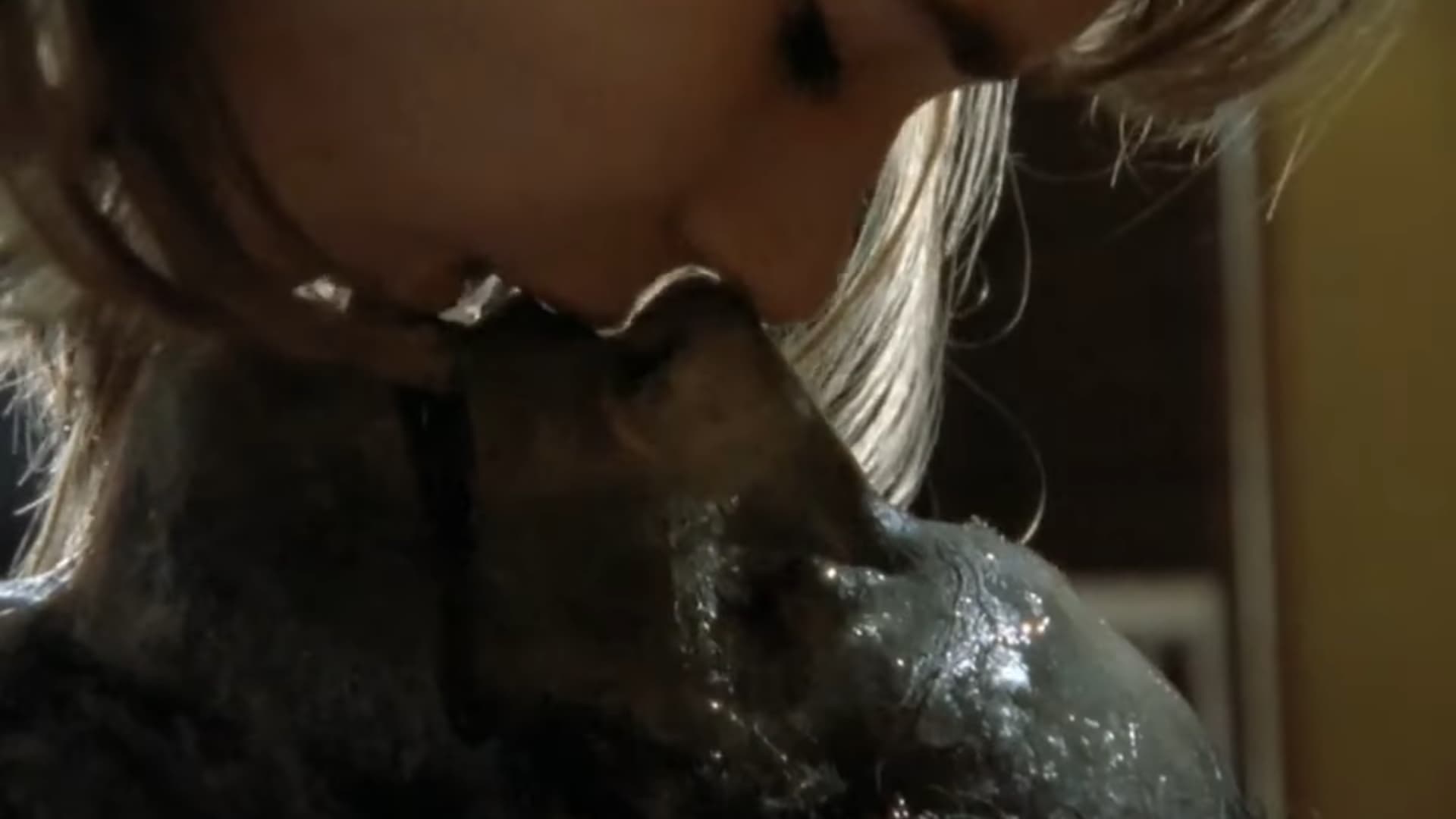
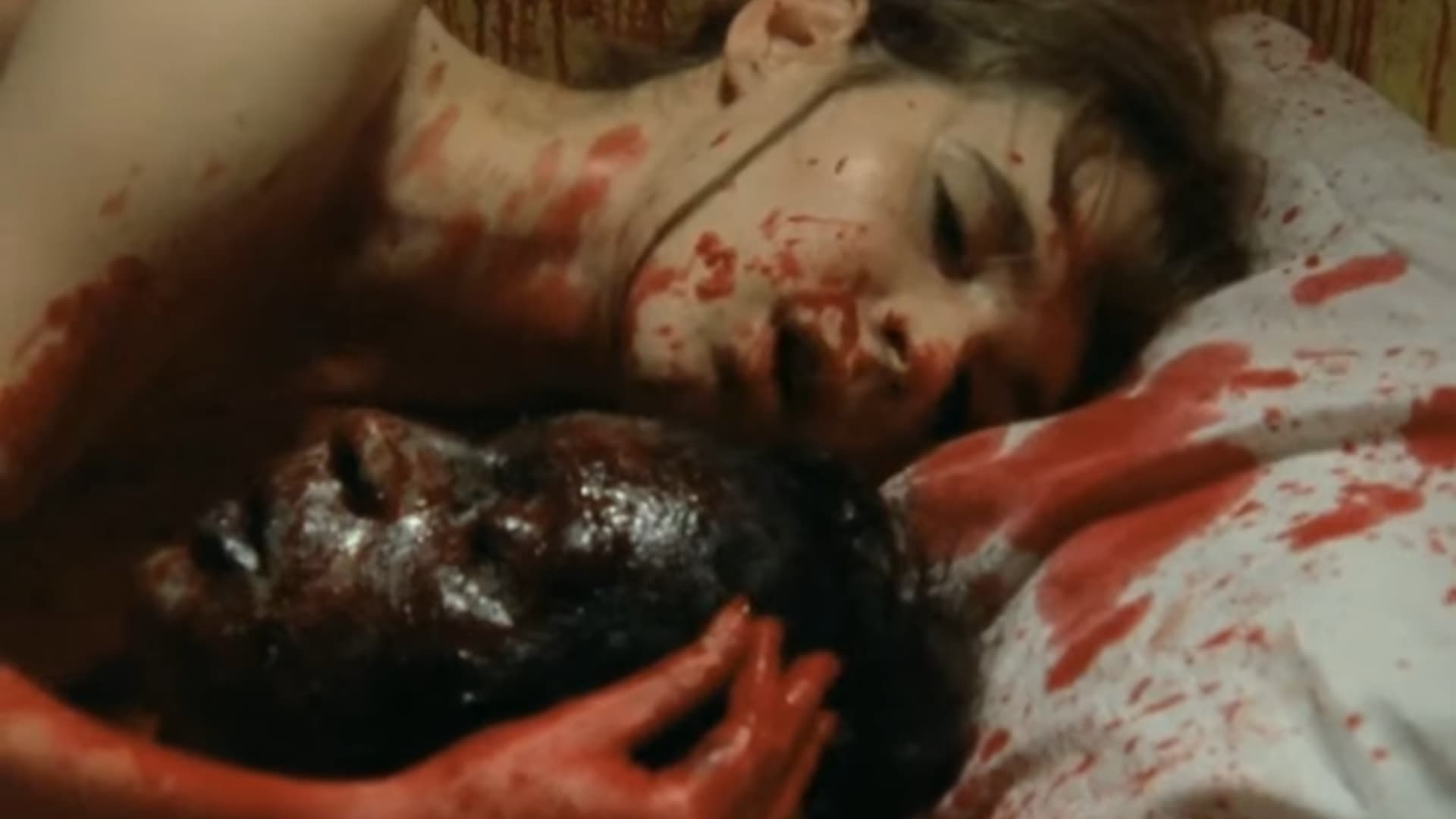
Buttgereit's attraction to 16 mm also had an effects consequence. He has spoken approvingly of the grain in films such as The Texas Chain Saw Massacre and of the way photochemical texture can prevent low-budget effects from appearing clinically exposed. Nekromantik 2 nevertheless holds on practical material longer than many conventional horror films would. The aim is not merely to provide a quick shock and cut away. The audience is often forced to confront physical objects as part of Monika's ordinary routine, allowing duration to become as important as fabrication.
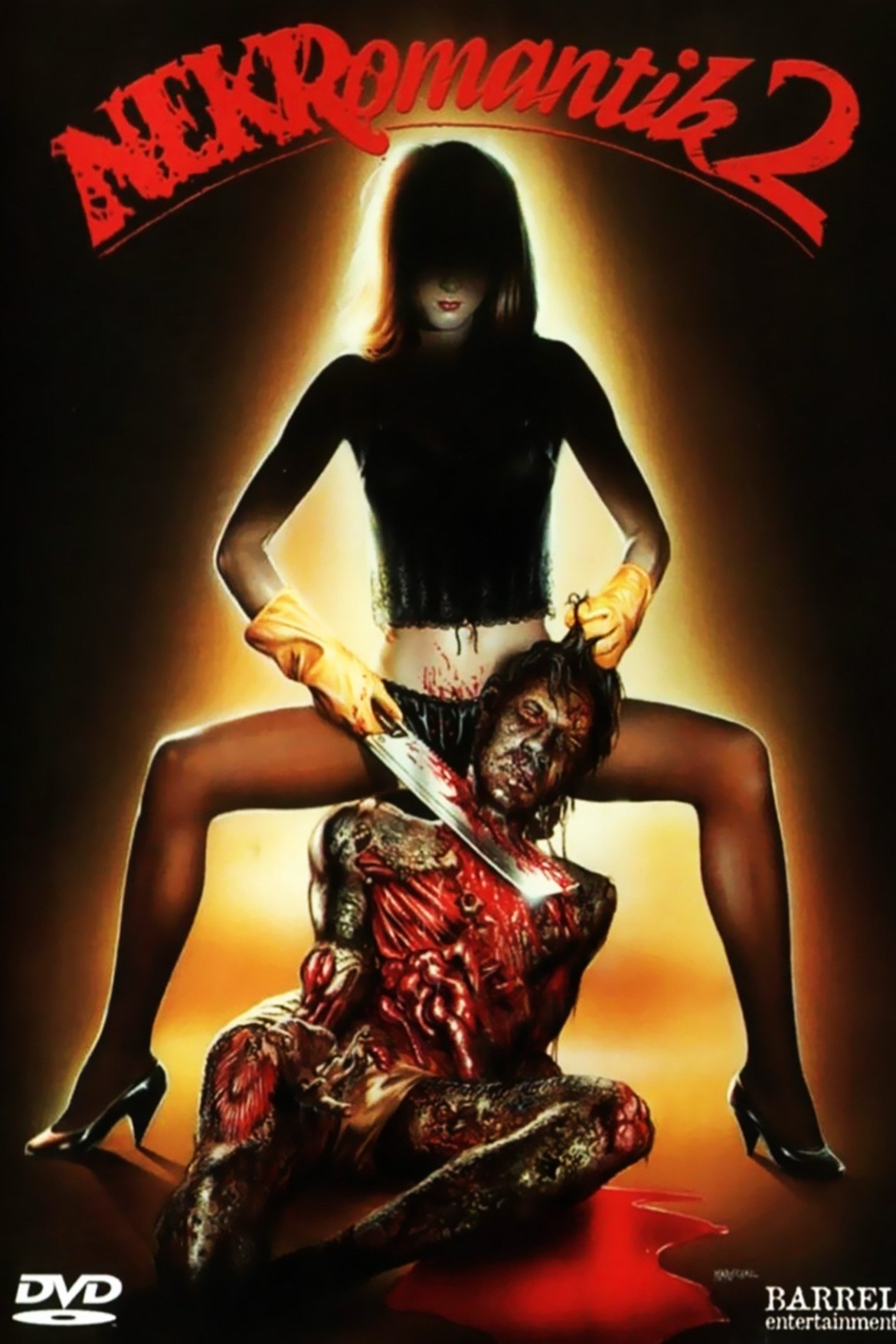
This is one reason the sequel feels different from faster splatter cinema of the same period. Effects are integrated into scenes concerned with domestic behavior, separation, memory and romance rather than staged only as climactic kills. The body becomes an object Monika must physically manage inside a normal apartment. Horror consequently emerges from mundane logistics as well as explicit imagery: storage, cleaning, concealment and the impossibility of maintaining simultaneously a relationship with the living and a material attachment to the dead.
Editing, Duration and Arthouse Parody
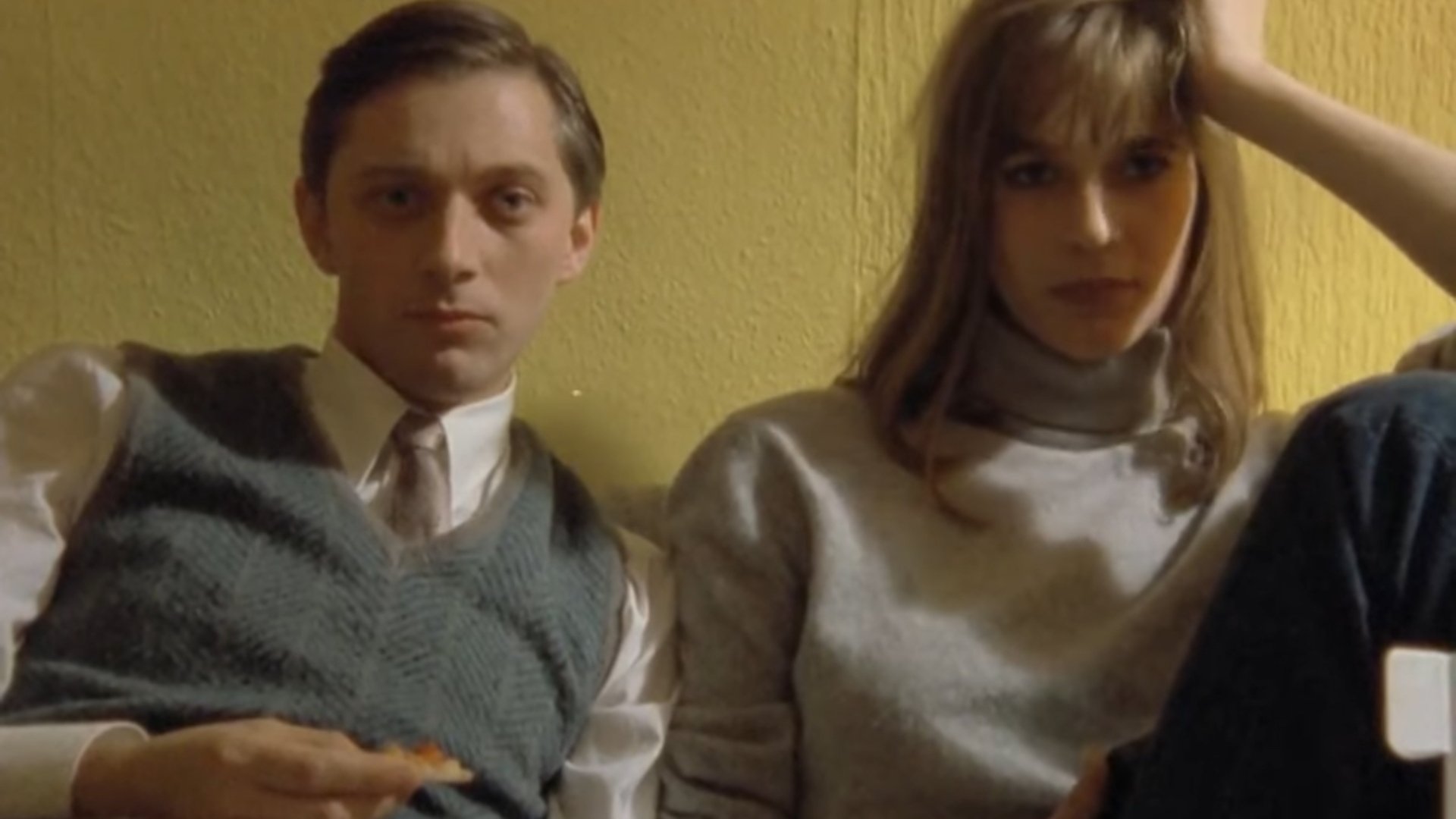
Nekromantik 2 is substantially longer and more deliberately paced than its predecessor. Buttgereit and Jelinski allow scenes of dating, eating, walking and conversation to occupy significant screen time, refusing the expectation that an extreme horror sequel should simply increase the frequency of graphic material. Buttgereit has acknowledged that this slowness divided viewers who admired the first film. He himself regarded the second as the more consciously artistic work, constructed by filmmakers taking the project considerably more seriously than the deliberately rough underground joke he sometimes saw in the original.
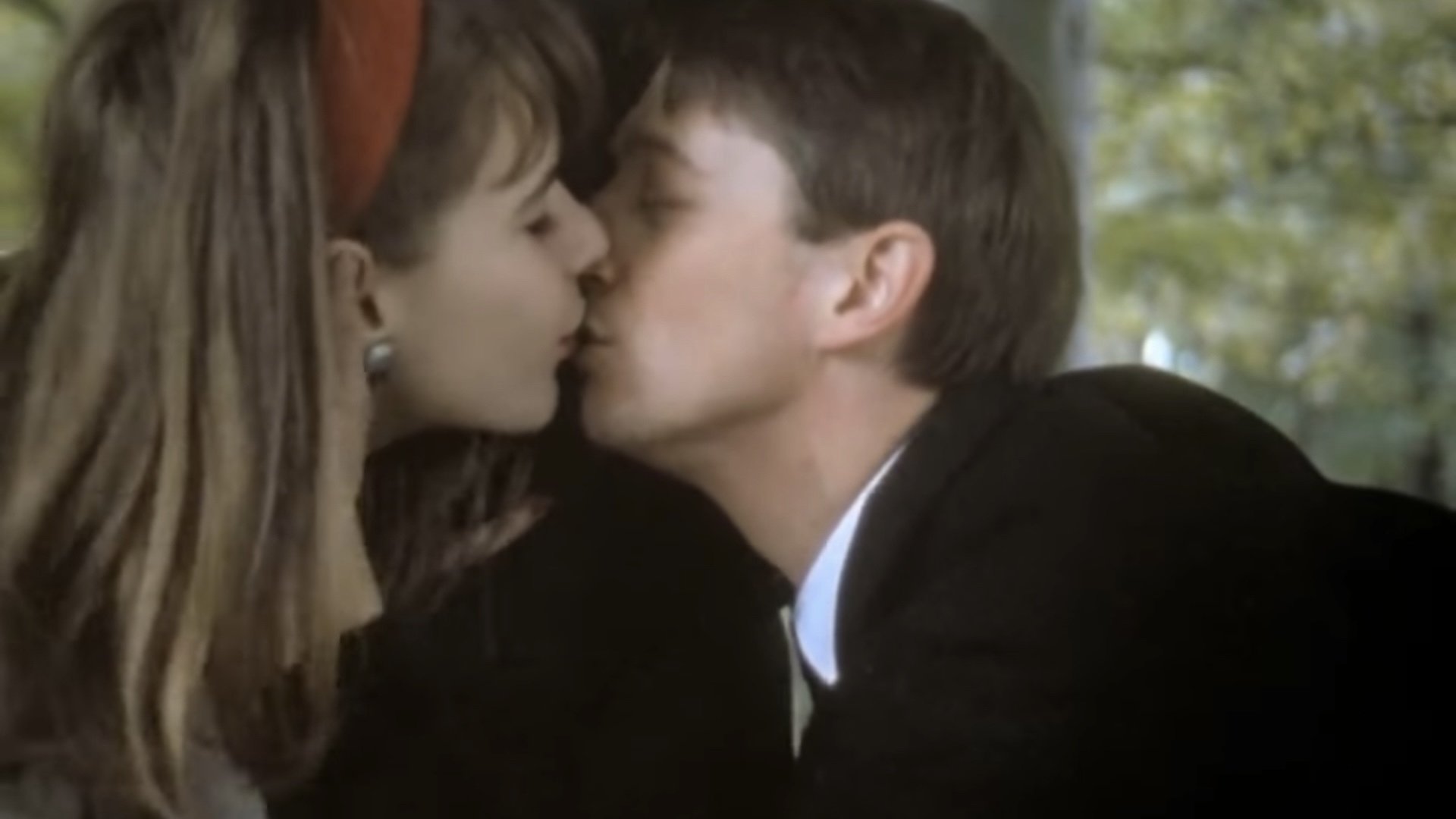
The film also mocks the cultural distinction between respectable art cinema and exploitation. During Monika and Mark's cinema date they watch a black-and-white film in which a naked man and woman sit outdoors eating boiled eggs while holding an extended conversation about birds. The sequence parodies the conversational seriousness of films such as My Dinner with Andre while deliberately replacing conventional intellectual presentation with absurd physical imagery. Buttgereit therefore refuses to position his own film neatly on either side of the art-versus-trash division.
Long duration becomes part of that provocation. Scenes can continue beyond the point required simply to communicate plot information, forcing viewers to inhabit awkward emotional states rather than rushing toward the next shock. The technique also makes the bursts of body horror more disruptive because they occur within a film otherwise willing to observe relationships patiently. Editing therefore produces tension not only through rapid cutting but through refusal to cut, one of the clearest formal differences between Nekromantik 2 and conventional splatter filmmaking.
Score and a Reversed Music Workflow
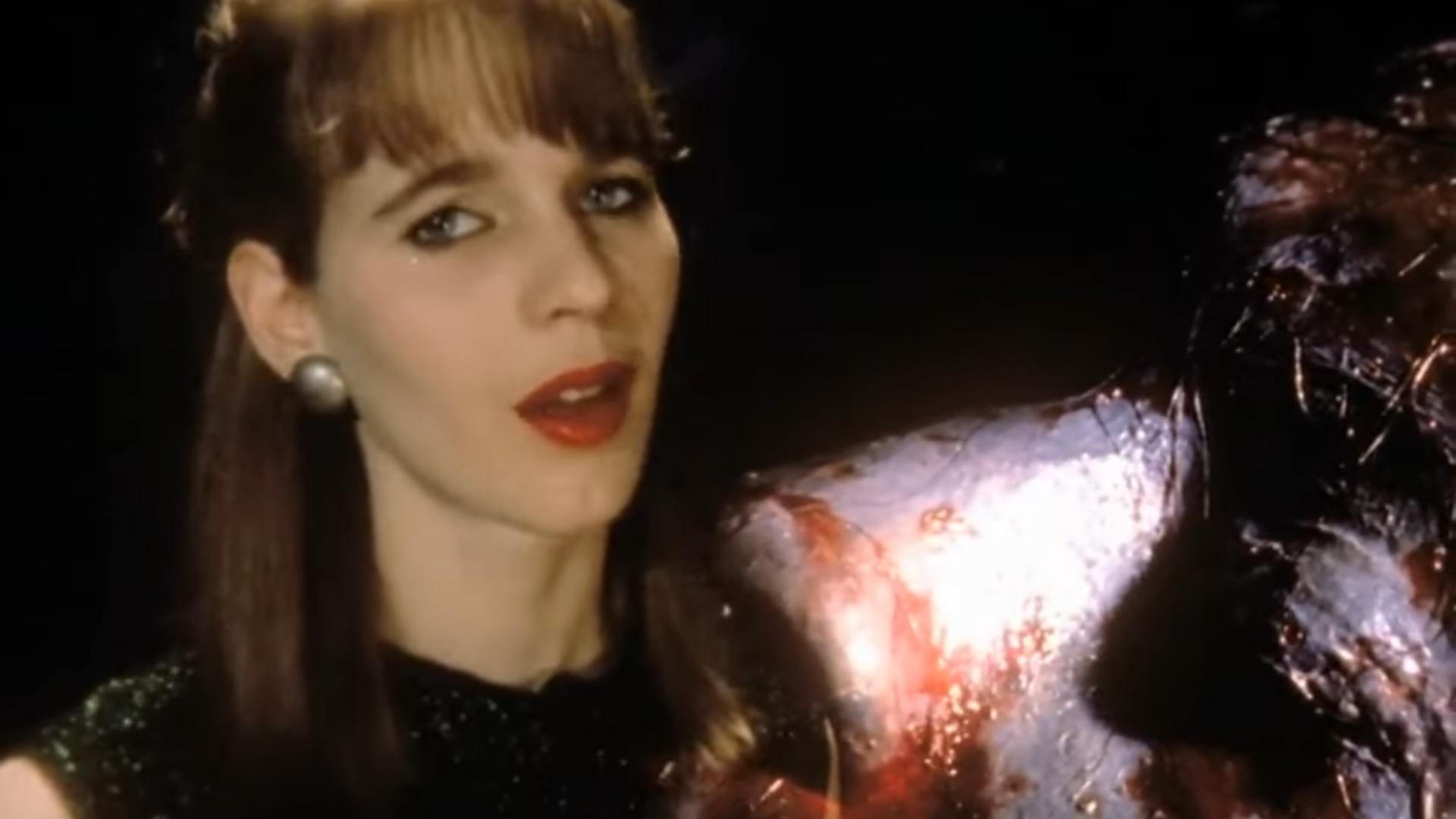
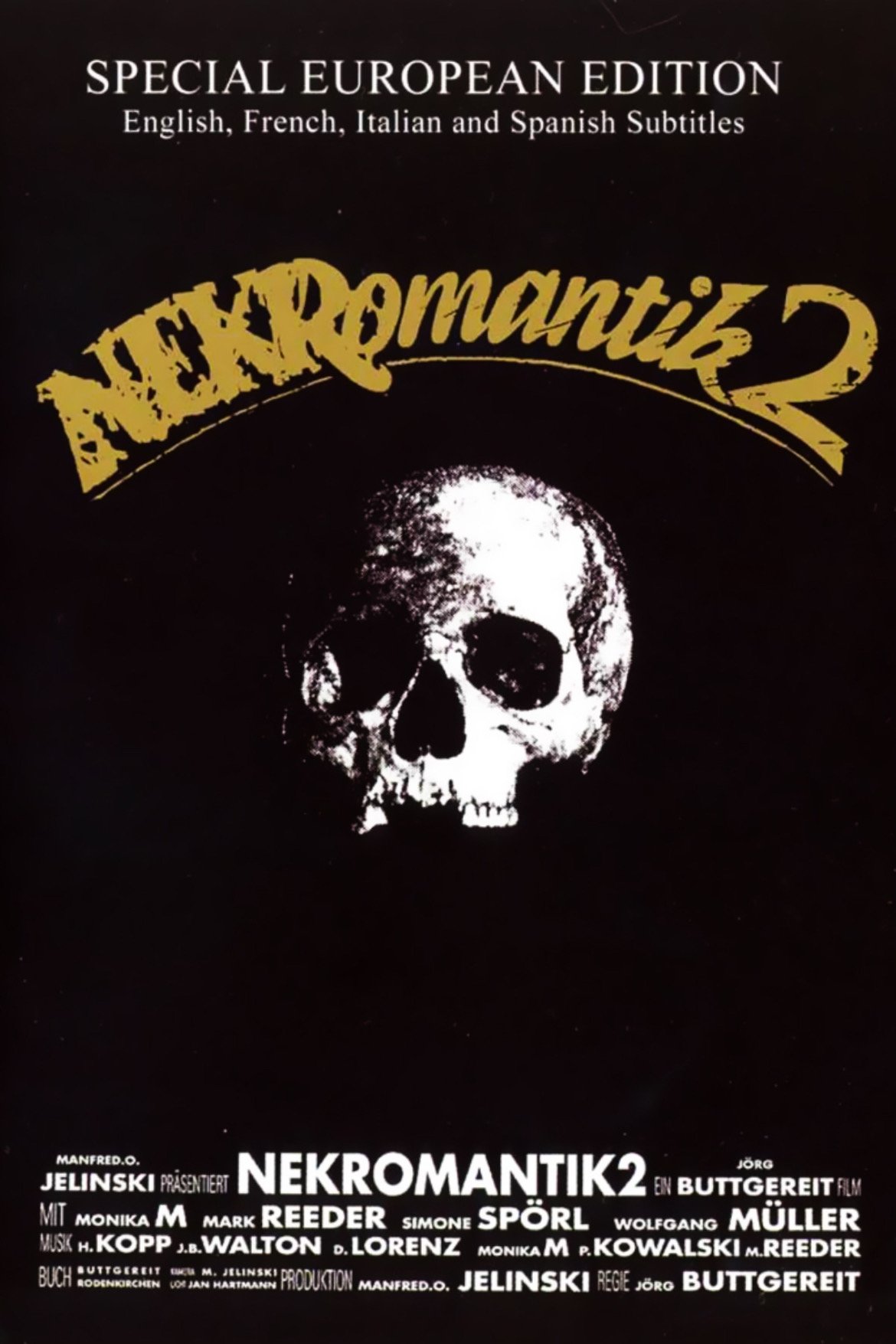
Music was created through an unusually collaborative and fragmented process. Credits include Hermann Kopp, Peter Kowalski, Daktari Lorenz, Monika M., Mark Reeder and John Boy Walton rather than a single conventional film composer. Buttgereit's social circle contained numerous musicians, and this allowed him to commission pieces with markedly different personalities instead of imposing one unified orchestral language on the production. The resulting soundtrack moves between melancholy, romanticism, irony and abrasive material in much the same way the film moves between intimacy and horror.
Mark Reeder has described an especially unconventional workflow. He began composing before all photography had been completed and without receiving a conventional locked cut to score. Buttgereit and Jelinski described material they had filmed, and Reeder attempted to imagine how the scenes might eventually appear. He wanted Monika's music to carry emotional torment and melancholy while giving his own character, Mark, lighter and more comic material because Mark remains unaware of the full reality surrounding the relationship.
This meant that portions of the film could subsequently be edited around music rather than the score being timed exclusively to an already finished picture. Reeder composed more material and alternate variations than the film ultimately required, leaving Buttgereit and Jelinski to determine which combinations worked during editing. Hermann Kopp's material could then push scenes toward a harsher psychological register. The process is technically significant because music becomes structural material available during assembly rather than merely a final emotional layer applied after editorial decisions are complete.
Confiscation, Preservation and Legacy
The most consequential part of the film's production history began after completion. In 1991 police confiscated a print during a screening at Munich's Werkstattkino, with the authorities pursuing the film under accusations connected to glorification of violence. Buttgereit initially underestimated how serious the action would become. The situation escalated into searches connected with the production and an effort to locate original materials. He has subsequently said that the negatives were hidden because the filmmakers feared they might otherwise be seized and destroyed.
The legal dispute continued for roughly two years. Buttgereit has described the eventual result as recognition that the work qualified as art, protecting it from the destruction that had been threatened. The case became one of the defining episodes of his career because the first Nekromantik had circulated so far underground that official censorship had largely failed to notice it. The sequel was different. It received ordinary reviews, played more visibly and therefore entered the institutional system that the filmmakers had previously managed to avoid.
The survival of the materials subsequently allowed the film to be restored and redistributed internationally. Modern editions preserve extensive commentaries, production documentaries, location material and a longer premiere version, while the British Board of Film Classification classified Nekromantik 2 at 18 for physical media and streaming in 2024. The film's importance is therefore larger than its notorious premise alone. It records the development of Buttgereit from Super 8 underground filmmaking toward disciplined 16 mm production, documents a disappearing post-Wall Berlin and preserves an unusually direct confrontation between independent horror filmmaking and German censorship. Within extreme cinema, that combination gives Nekromantik 2 a historical significance considerably greater than a simple exploitation sequel.